The Art of Landscaping: Creating Stunning Outdoor Spaces

Natural Works of Art

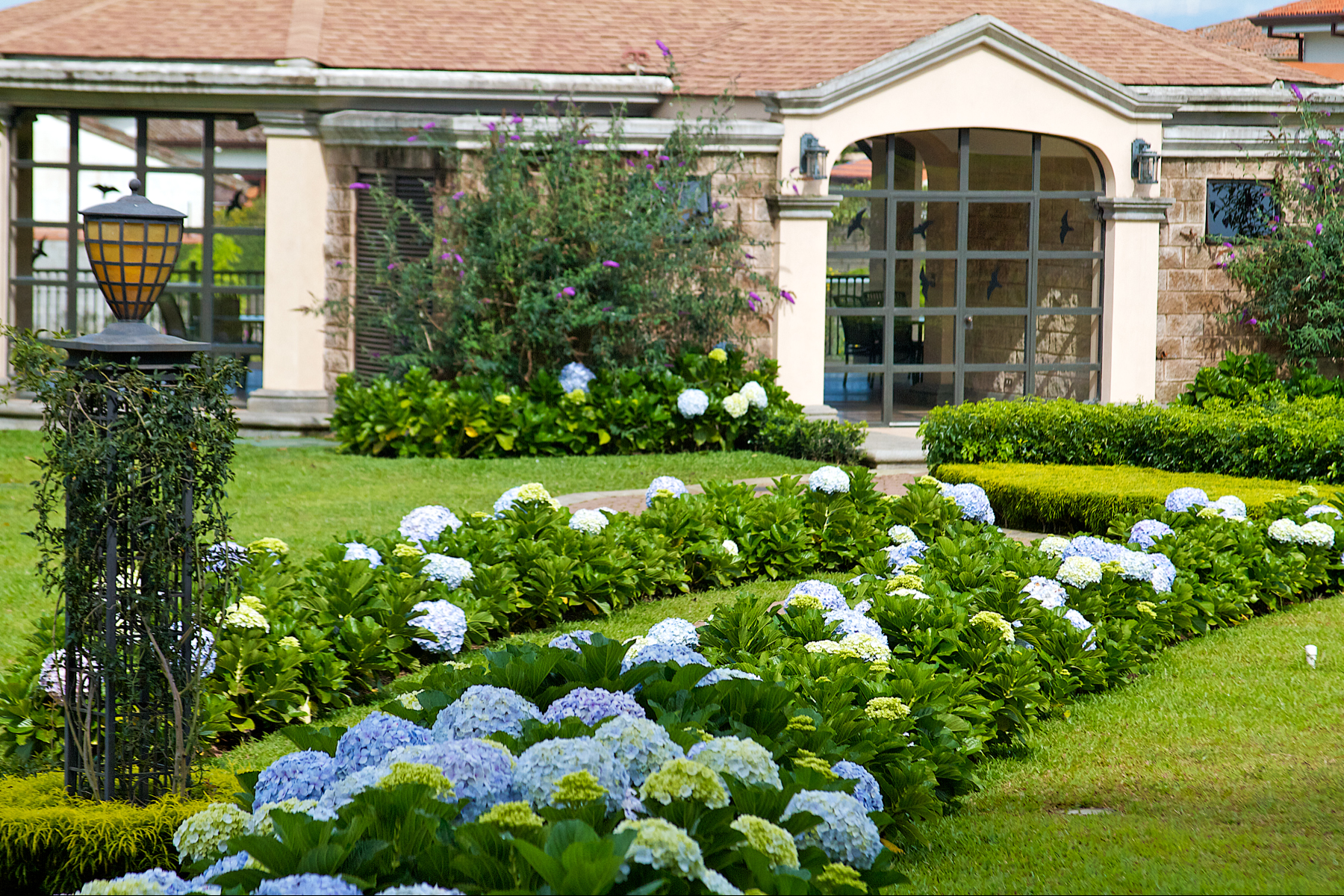
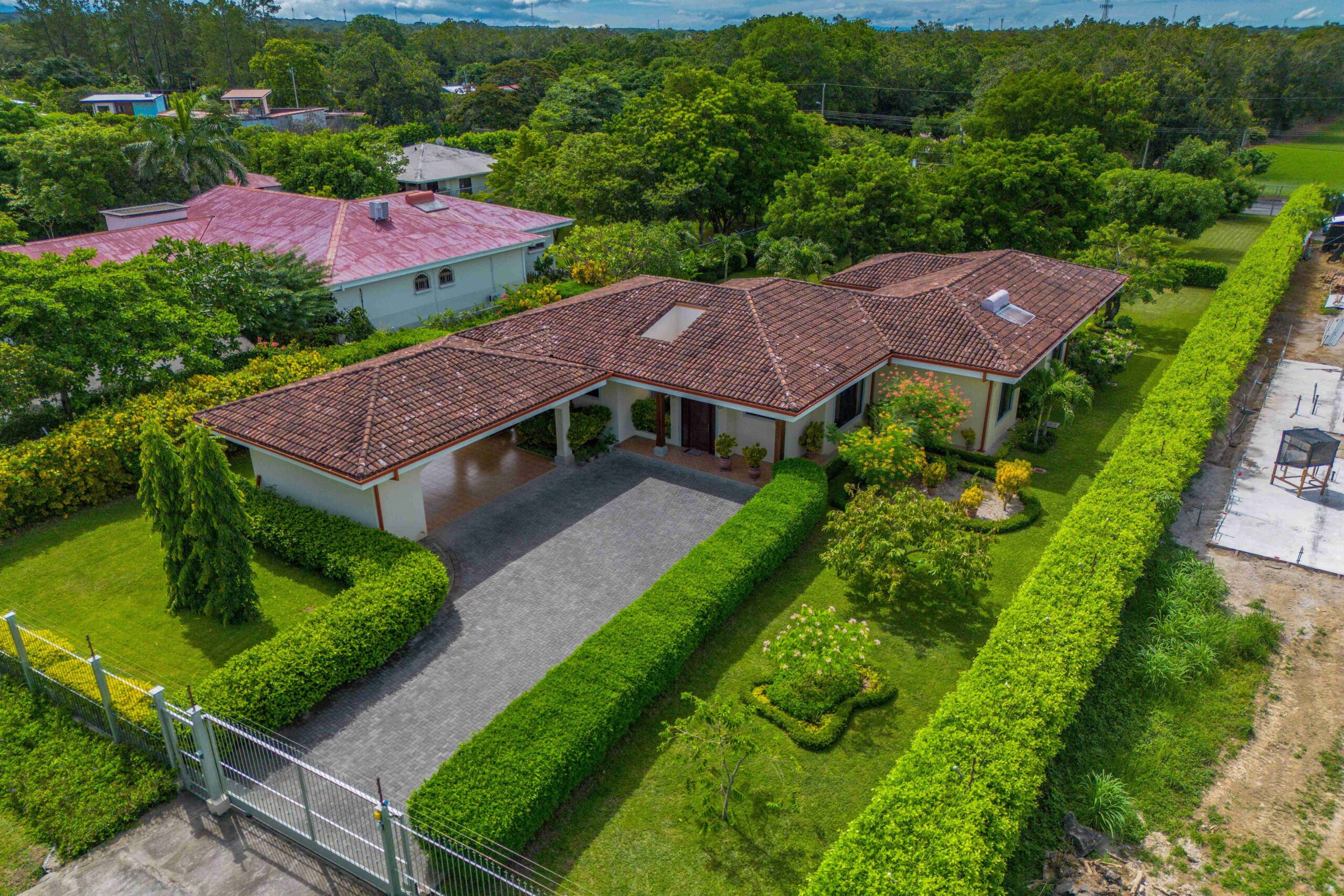
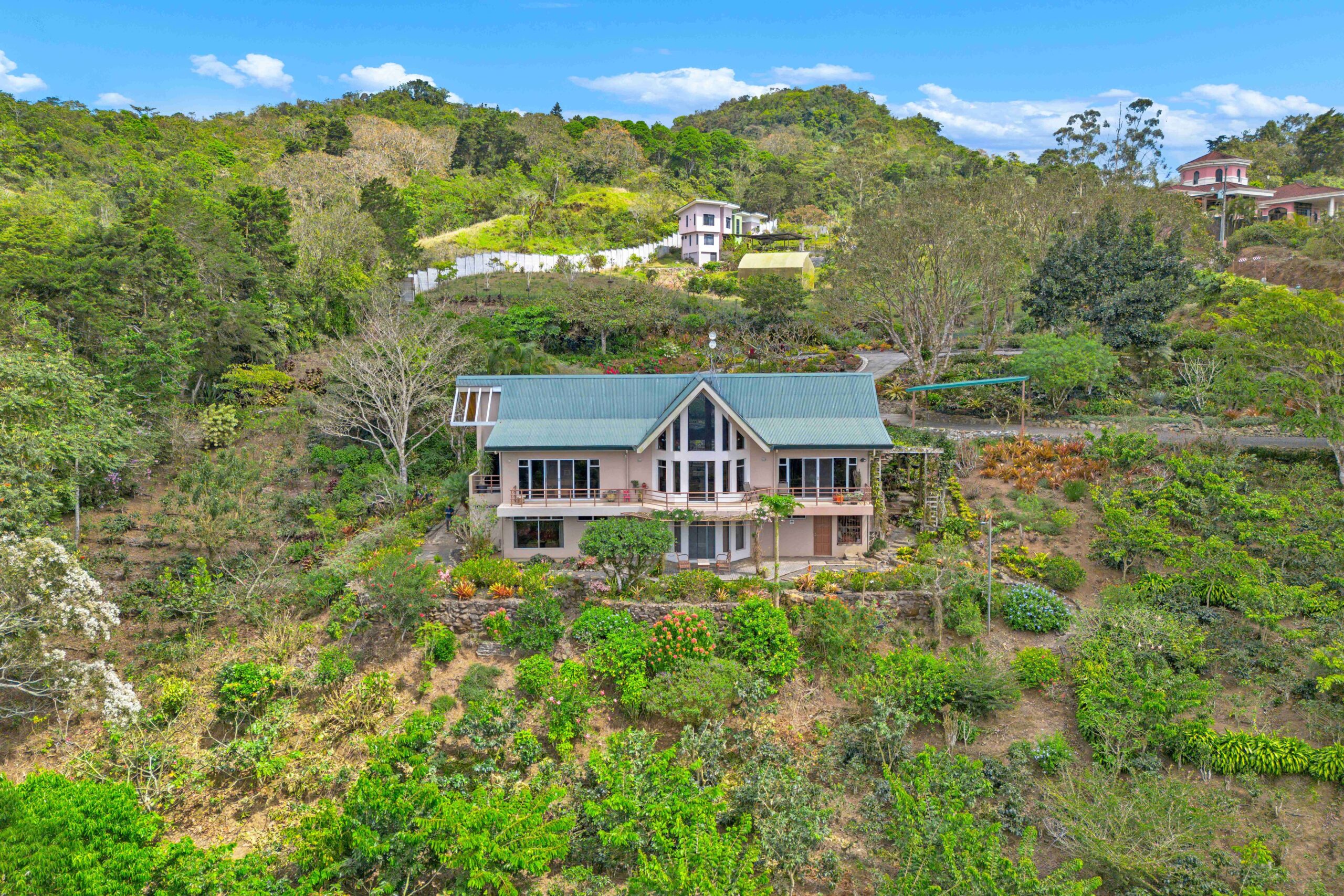
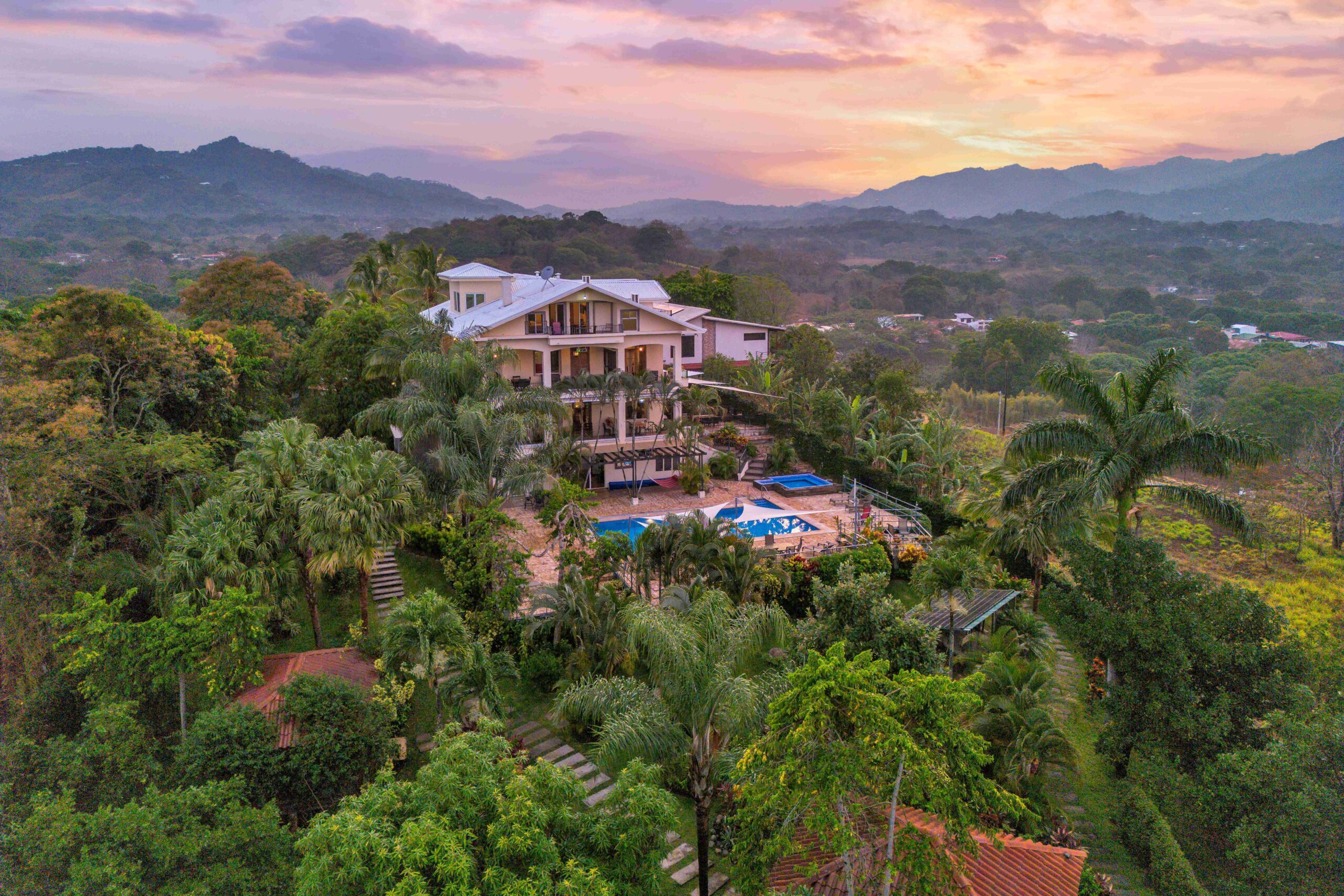
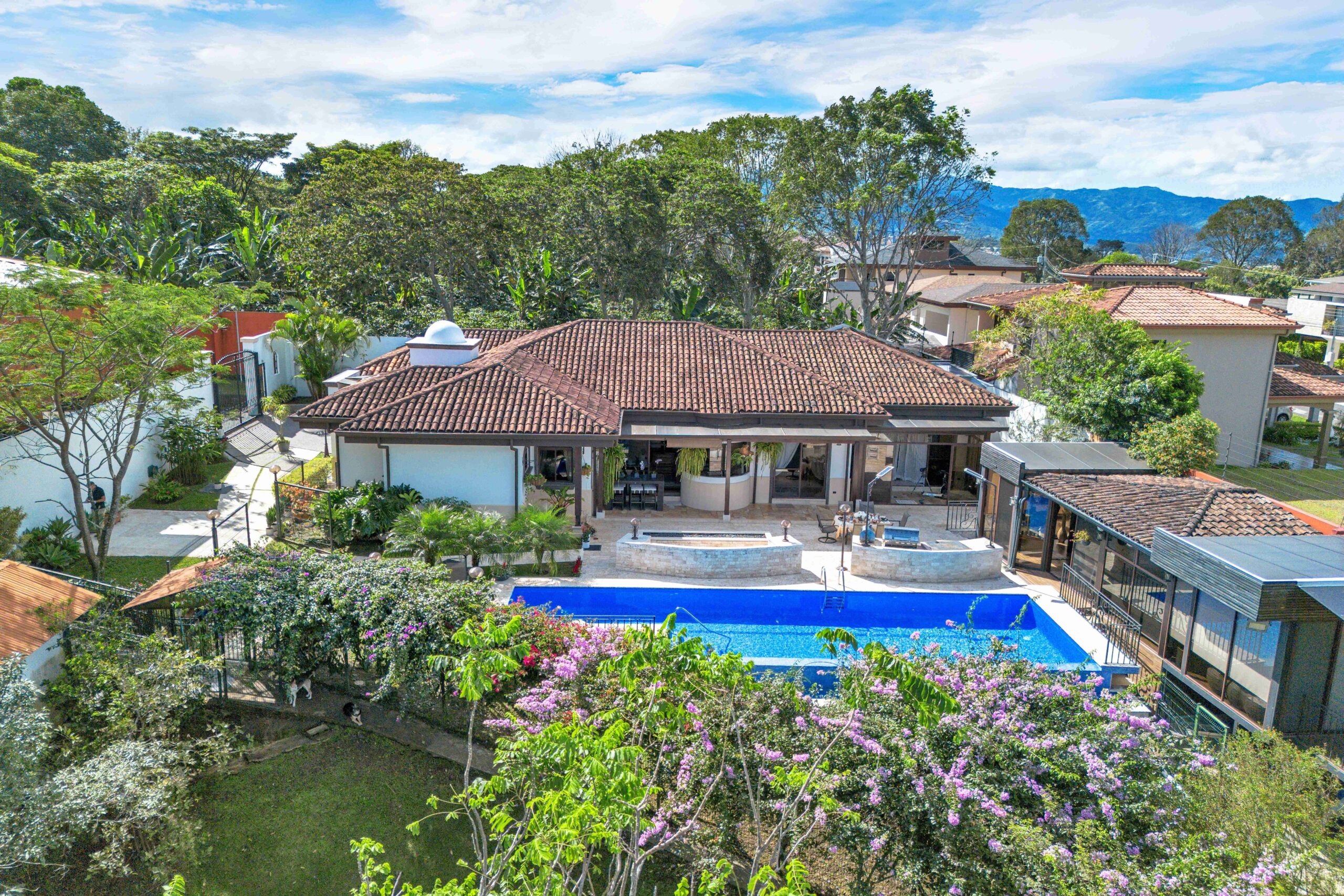
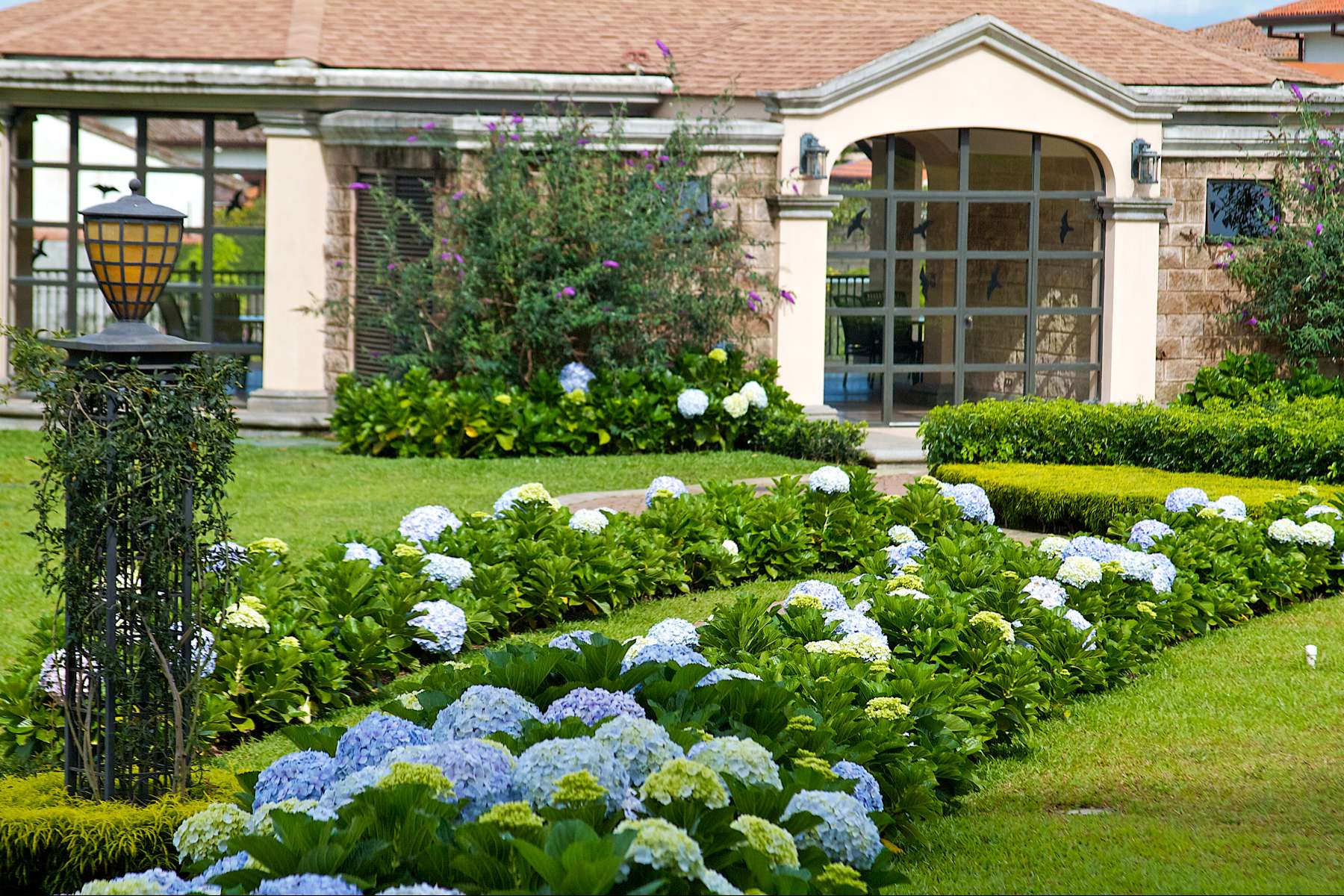
The art of landscaping is about seamlessly integrating the outdoor environment with the architecture of the home, which involves preserving mature trees, harnessing natural sunlight, and incorporating native plants and materials. A landscaper takes a long time to plan a garden so that it appears to have grown naturally in that way.

Majestic City Gardens — Tres Ríos
Creating a Relaxation Oasis

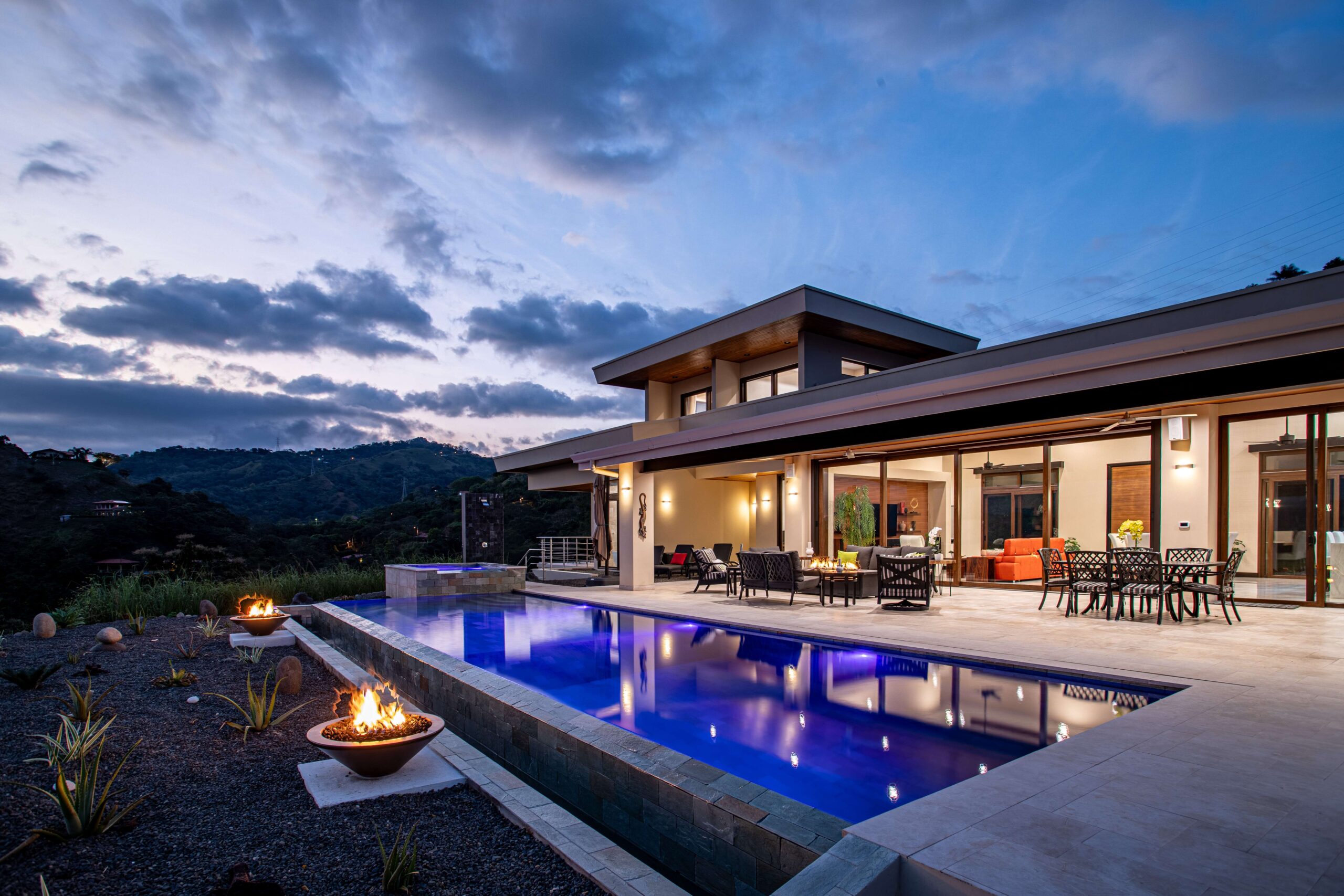
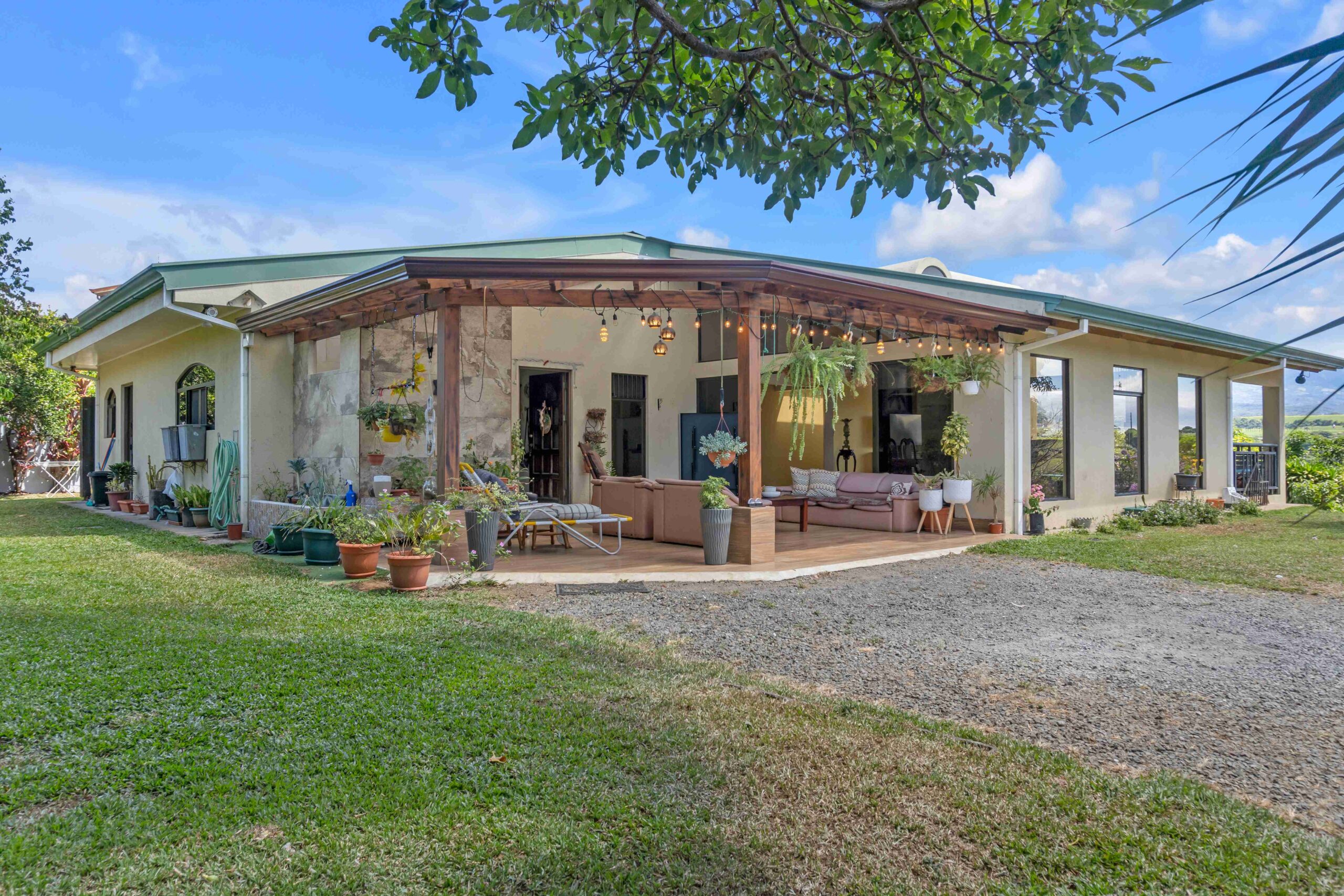
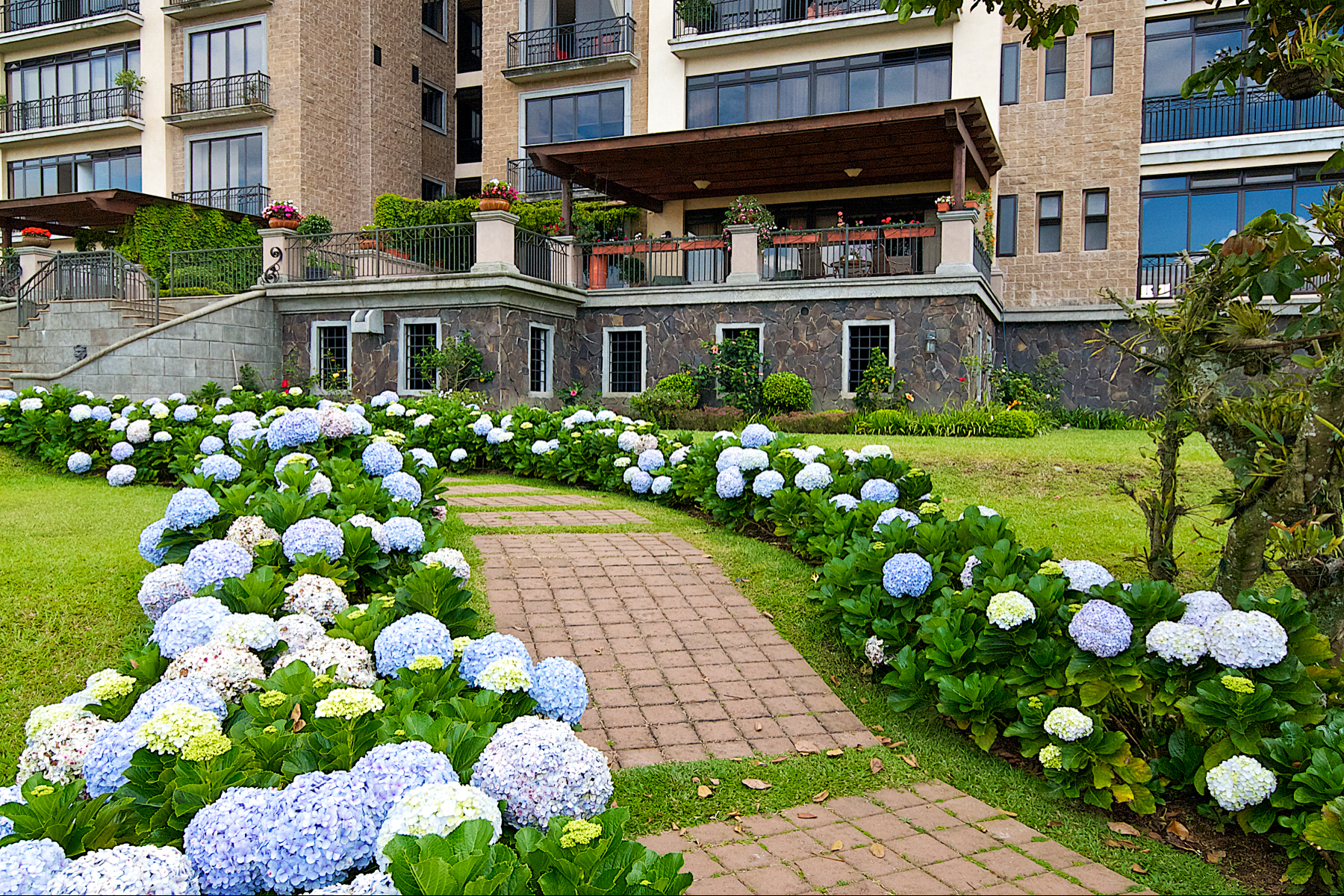
A lush and well-maintained lawn serves as a canvas for intricate floral arrangements, with careful selection of plants and exotic flowers. These gardens are complemented by outdoor lifestyle areas. Terraces and patios with furniture focused on relaxation become extensions of the indoors, perfect for year-round entertainment.

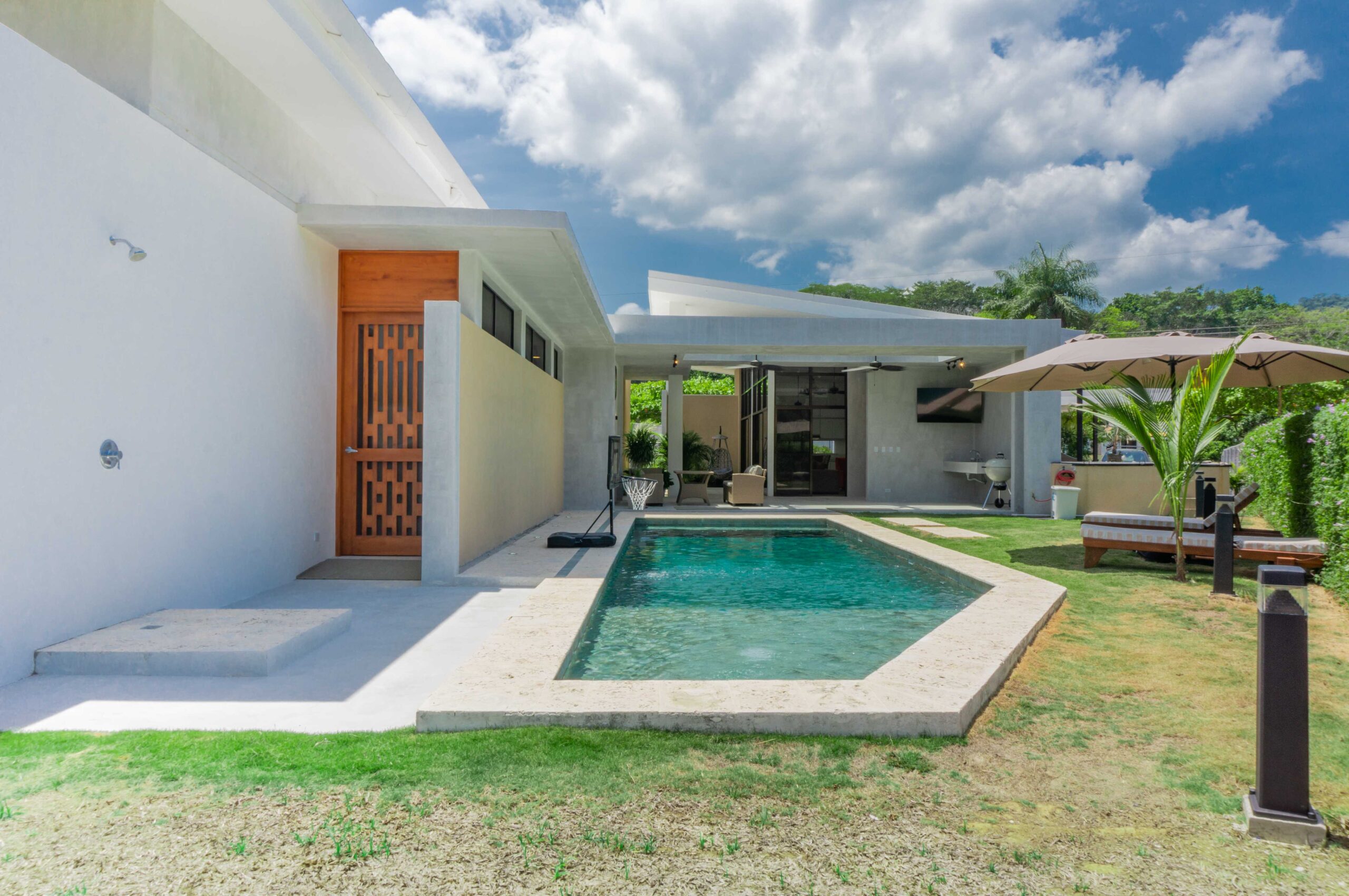
Some outdoor spaces include a pool or water features, waterfalls, and fountains. These add a touch of drama and serenity to the outdoor space. Some homeowners even opt for private ponds or heated spa pools for ultimate relaxation.

The cherry on top of garden creation is lighting. Carefully placed lights highlight key features of the outdoor space, such as statues, waterfalls, and pathways, creating a magical atmosphere after dark.
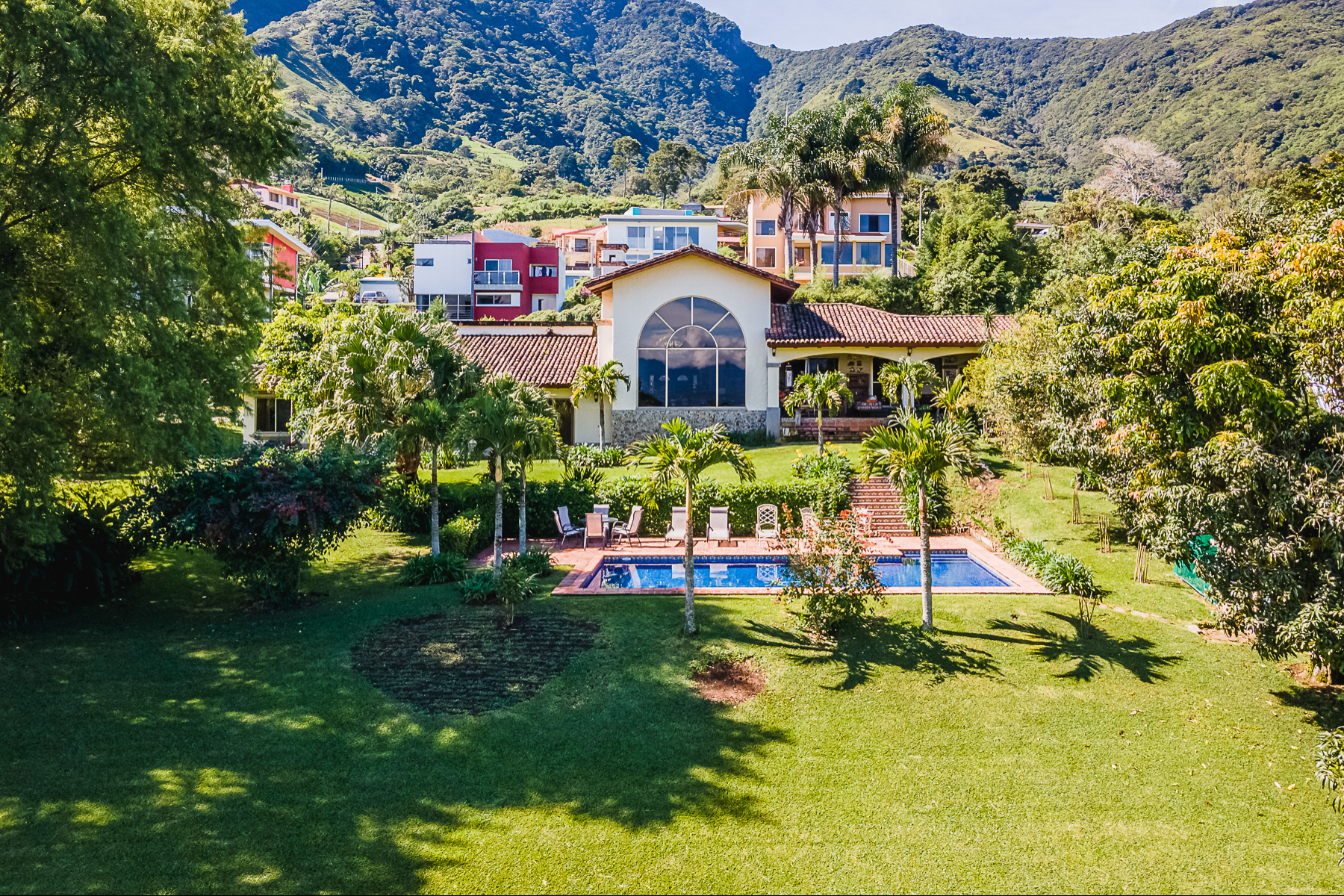
Casa Roca Verde — Escazú

A Personal Touch

Landscaping is a deeply personal endeavor. It involves close collaboration with architects and landscape designers to bring their visions to life. Each outdoor space is a reflection of our unique taste, preferences, and lifestyle.

When we talk about luxury real estate, we’re not just talking about a house; it’s an entire experience. The design of outdoor spaces elevates the ordinary to the extraordinary, creating experiences that are not only visually stunning but also serve as havens for relaxation and inspiration.

Self Sustainable White Villa — Liberia
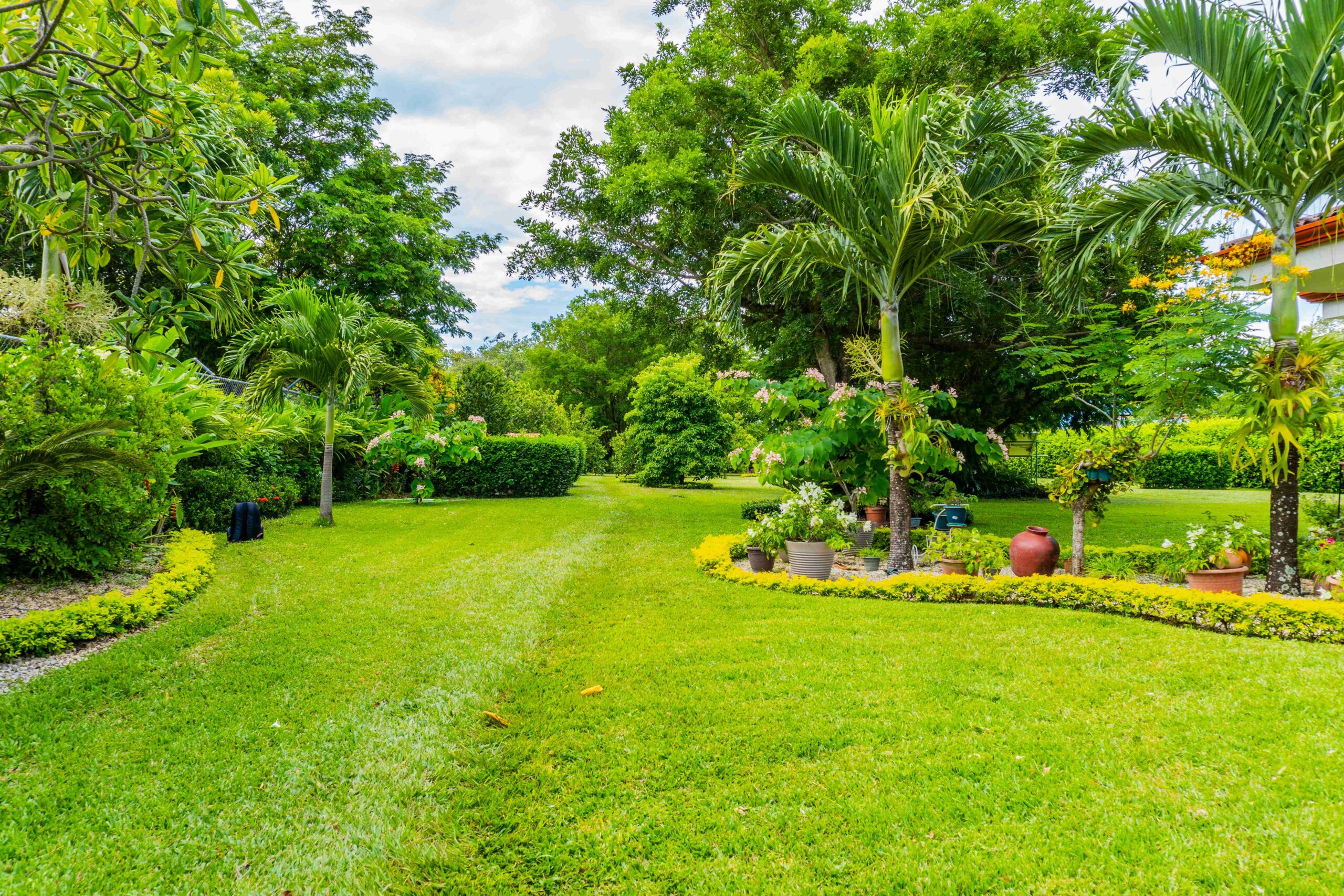
More Properties with Incredible Outdoor Spaces:

Serene Living Los Laureles — Escazú, San José
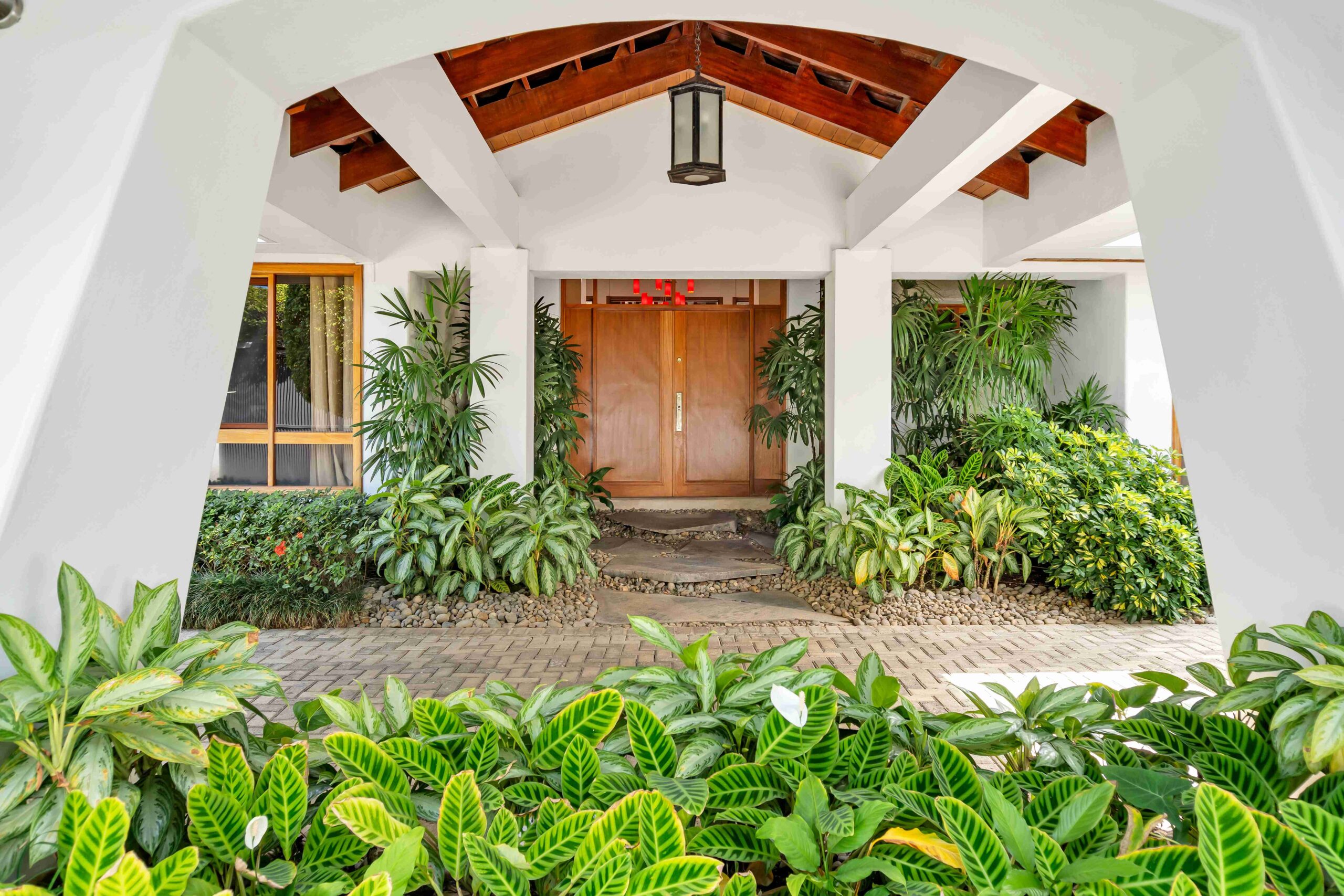
Río Oro Magical Garden & Pool — Santa Ana, San José
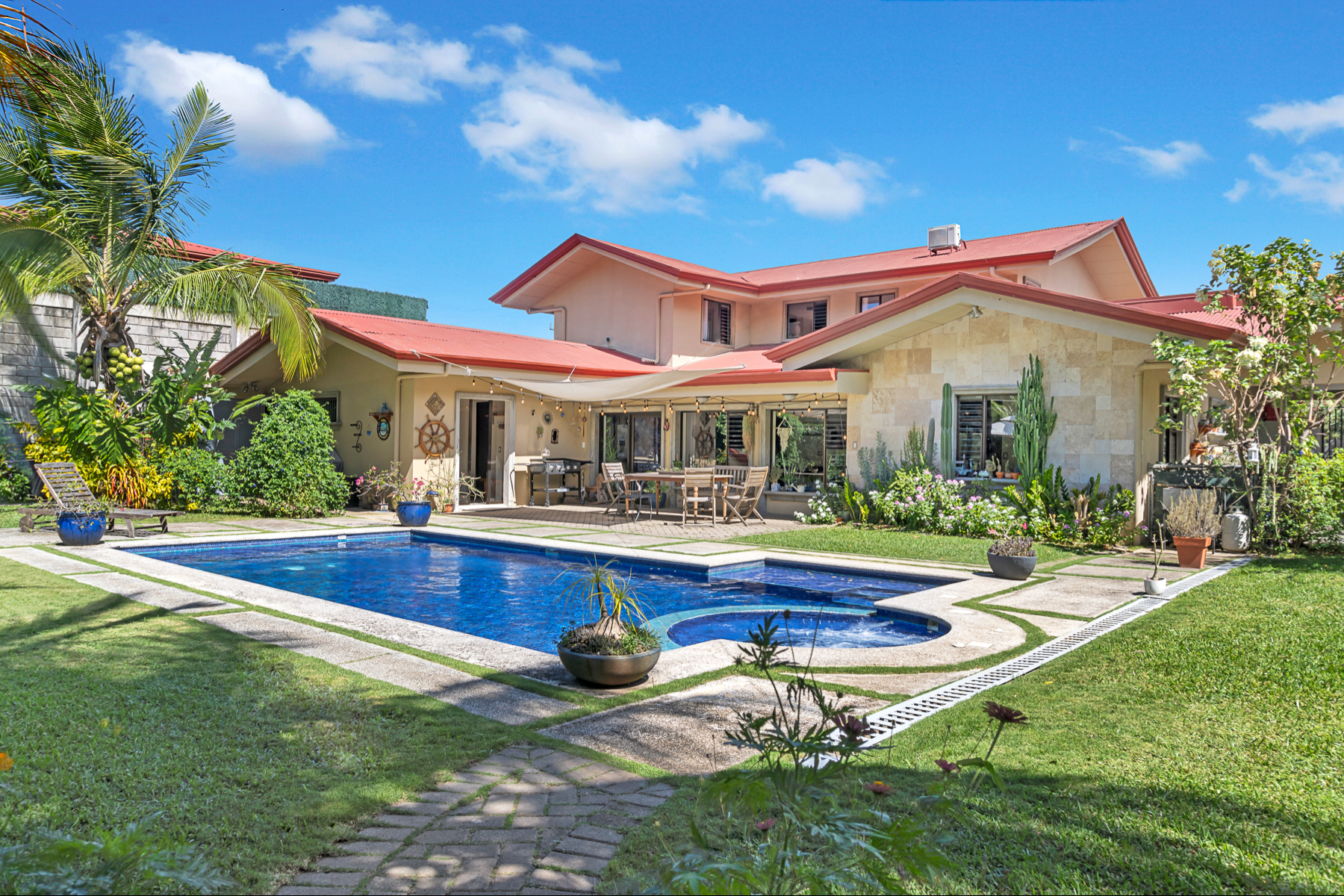
Silent Forest River Retreat —Toro Amarillo, Alajuela
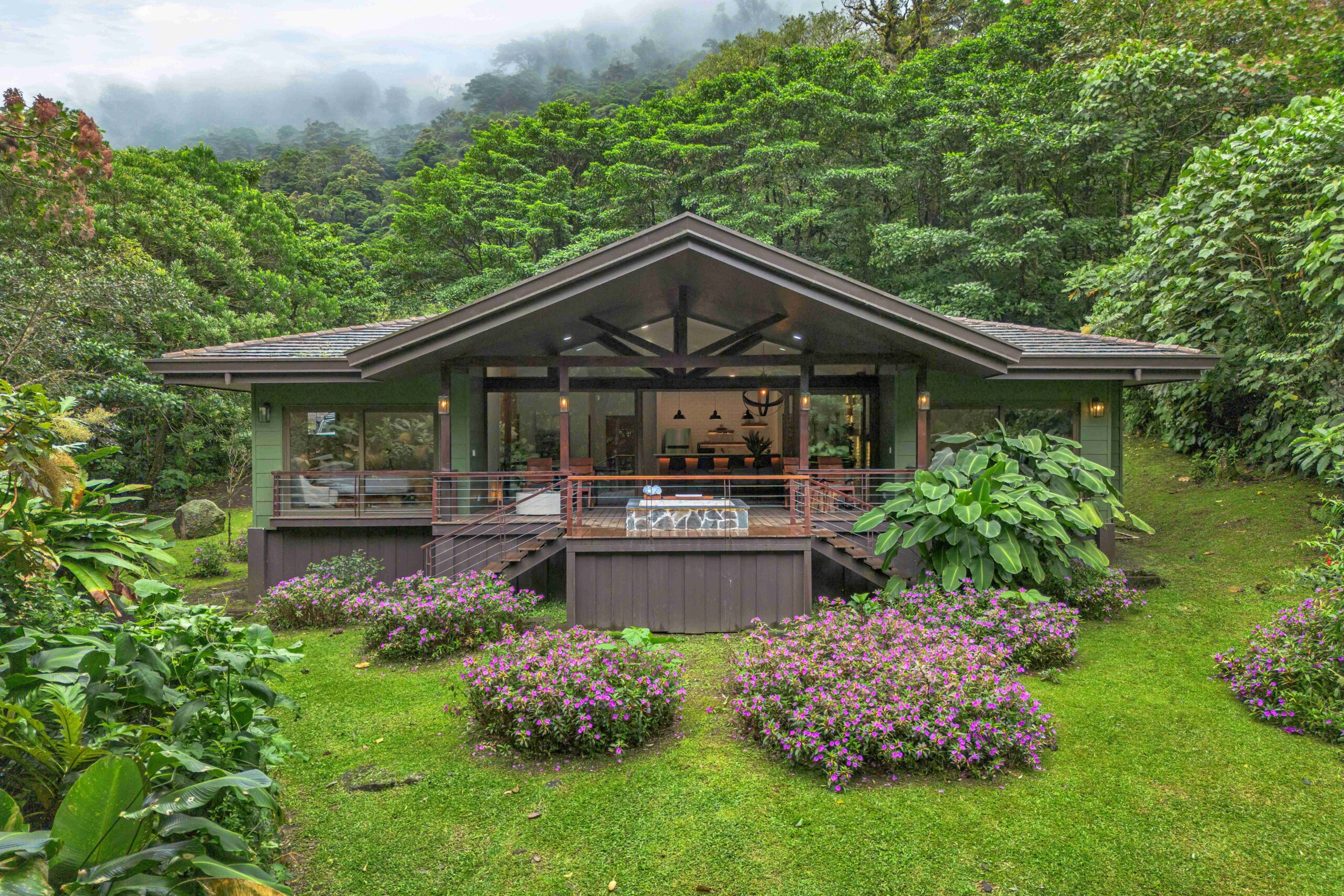
Luxury House in San Roque — Barva, Heredia
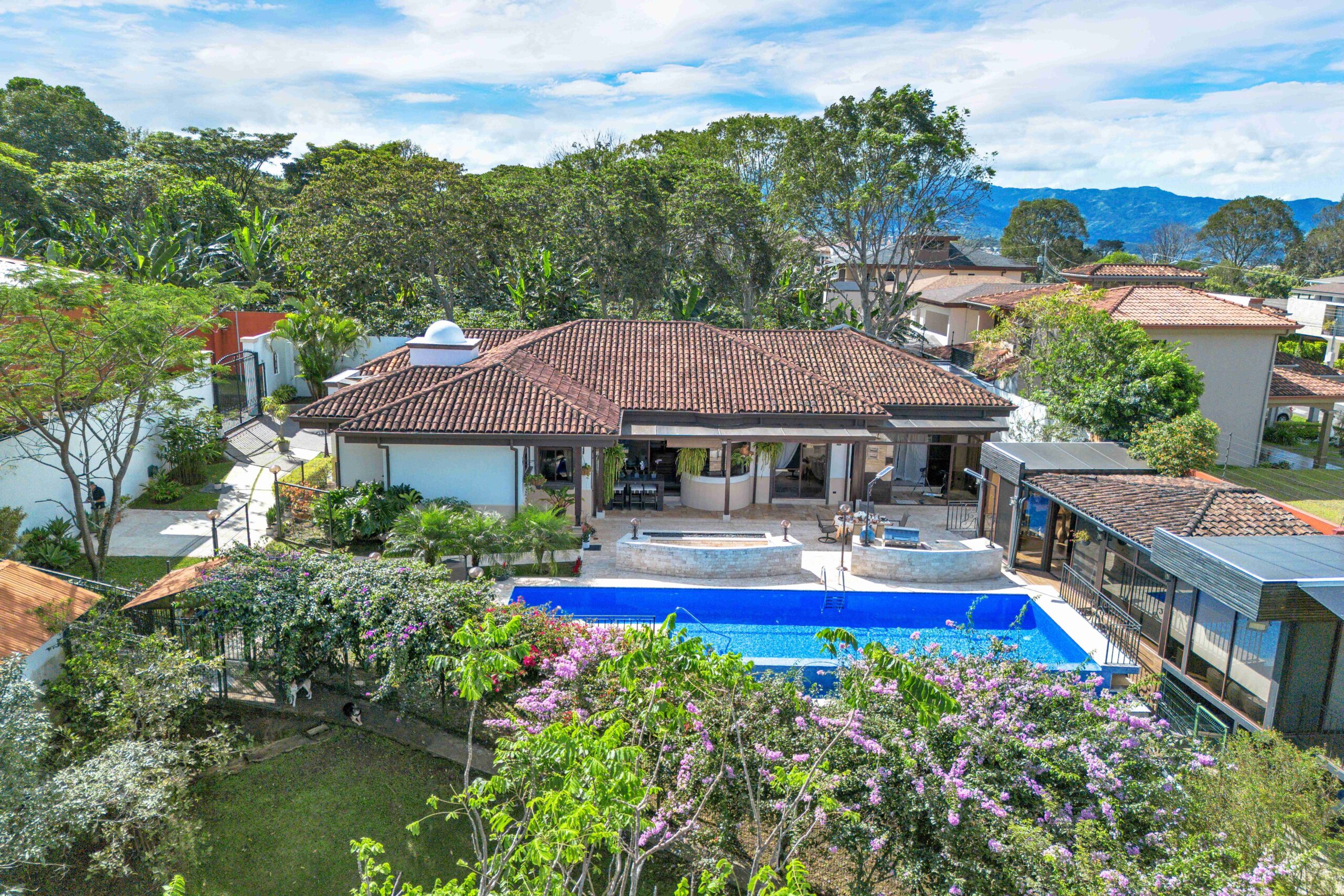
The Secrets of Feng Shui

Feng Shui is an ancient Chinese tradition originating from Taoist philosophy and the contemplation of nature. Its literal translation is “wind and water,” and it has its roots in a history spanning thousands of years, employing the five elements of nature: water, wood, fire, earth, and metal.

This practice focuses on the connection between the environment and vital energy, known as “chi” or “qi.” Chi or Qi is the vital energy that flows in all things and seeks to harmonize and balance this energy to foster health, prosperity, and well-being.

Prepare to discover how energy flows through space and how you can harness it to transform your life in a meaningful way through these tips:


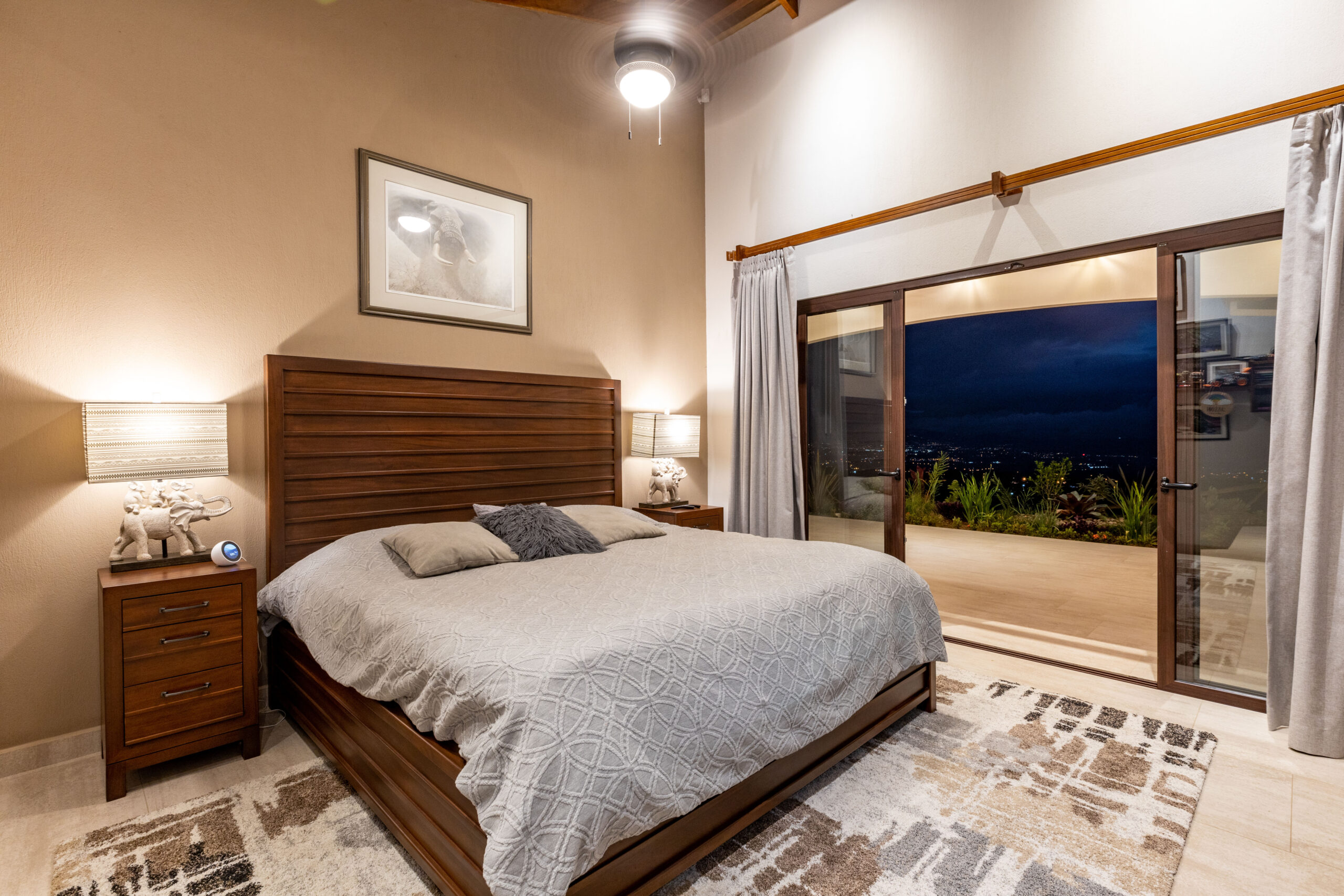
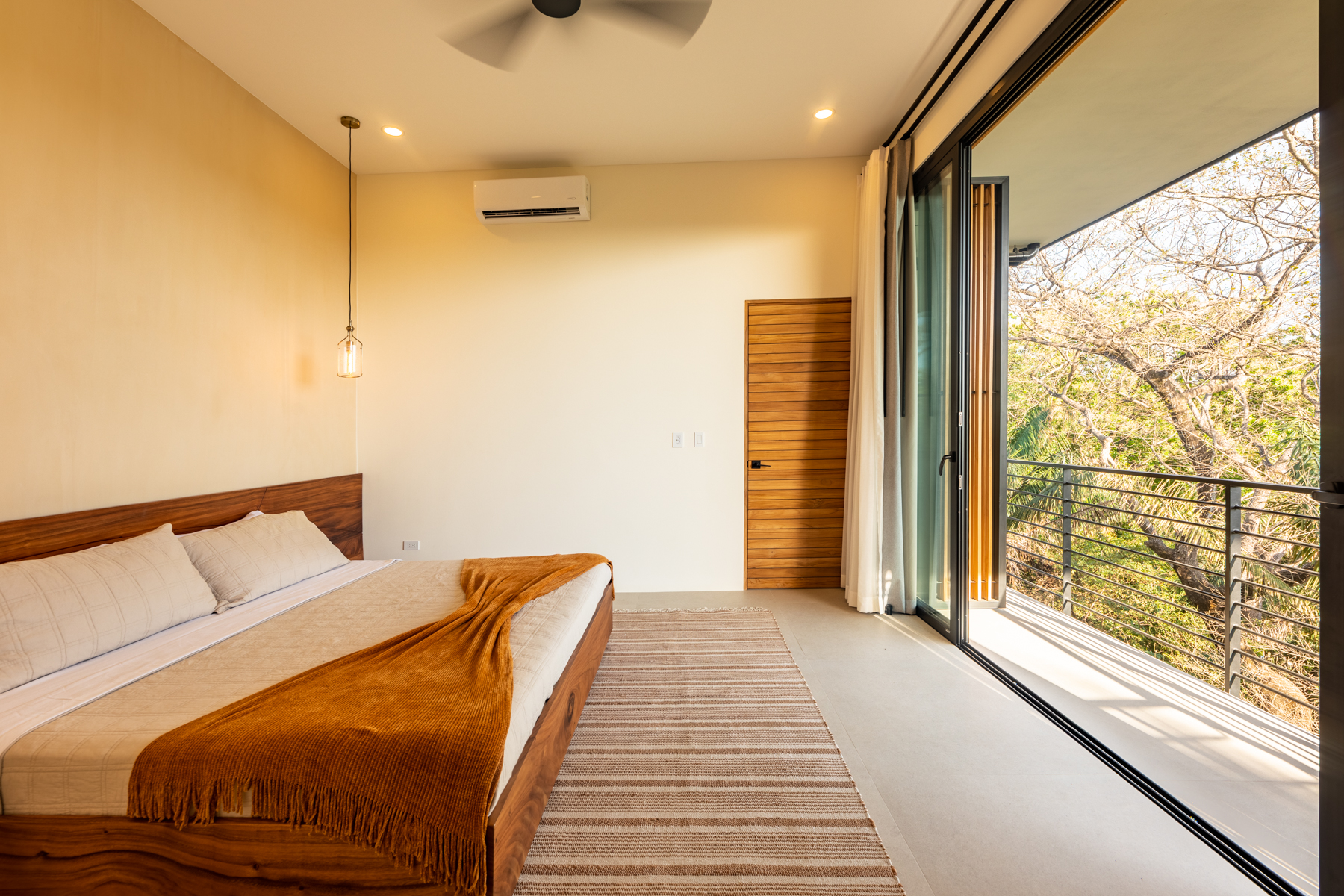
The bed:

·        Position the bed so that you can see the door from it.

·        Avoid aligning it directly with the door, meaning the bed’s feet should not be directly in line with the exit door.

·        Do not place it directly under a window, as this can negatively affect the energy.

·        Avoid storing objects underneath it, as it can obstruct the flow of energy.

·        Have symmetrical spaces on both sides of the bed to generate a harmonious balance in the room.

·        Do not use bedding that is in poor or worn-out condition.

The room:

·        Place personal items, such as photographs or symbols that inspire positively, on the wall opposite the bed.

·        Avoid patterned textiles and very strong or flashy colors; it’s better to opt for soft colors that provide tranquility.

·        Avoid placing mirrors opposite the bed.

The kitchen:

·        Avoid placing the sink directly opposite the stove. This position is considered conflicting according to Feng Shui, as water (sink) and fire (stove) are in opposition.

·        Conceal the trash can and prevent it from overflowing. A visible and full one can attract negative energy and affect the quality of chi in the kitchen.

·        Clear out cabinets and pantries of unnecessary and worn-out items.

·        Ensure to include adequate lighting. Bright and well-distributed light contributes to positive energy and helps keep the area vital and active.

The living room:

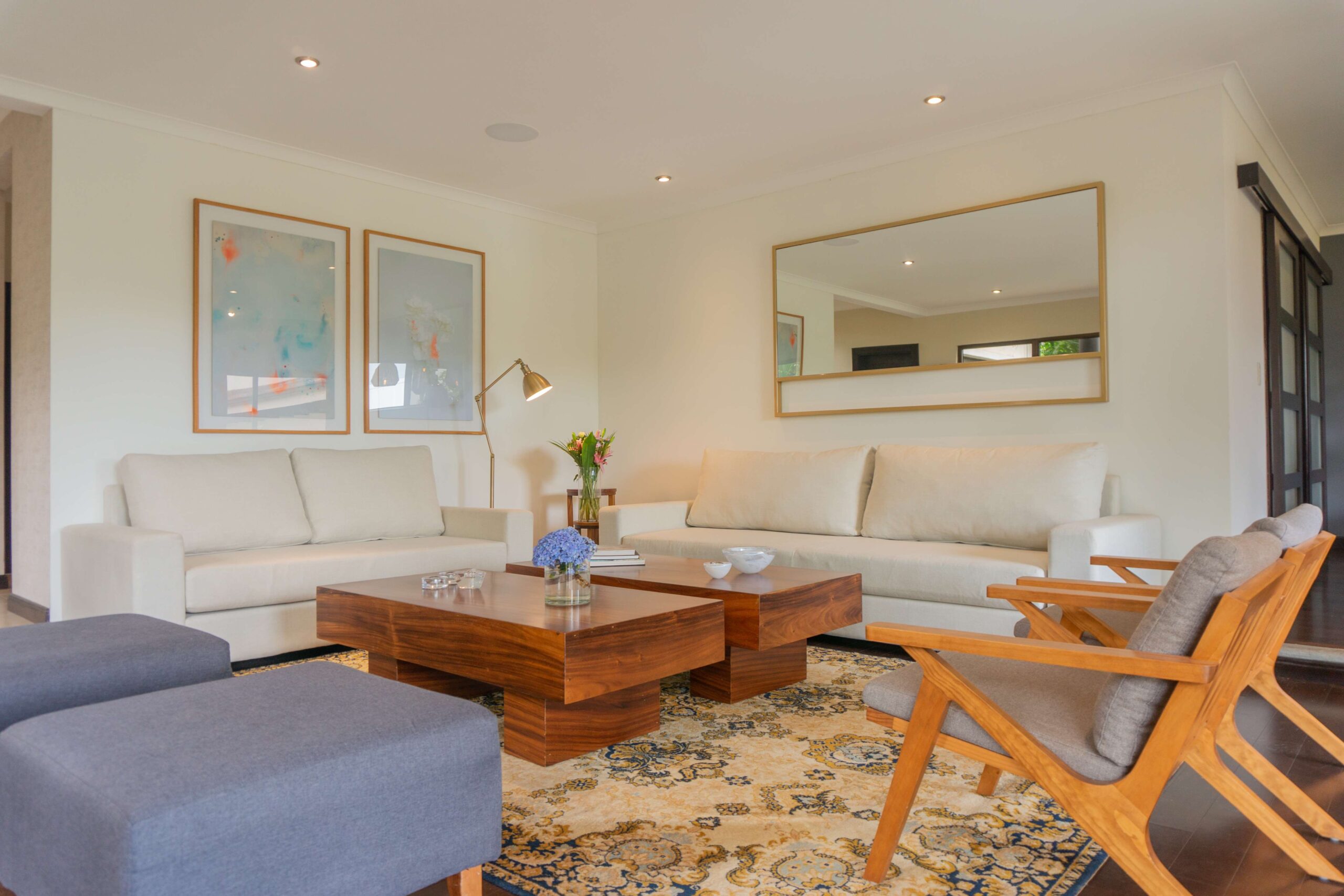
·        Say no to excess furniture that may obstruct passage and hinder the flow of energy. Opt for an arrangement that allows energy to circulate freely throughout the living room.

·        Do not place solitary chairs without backrests in the living room. Aim to create comfortable and equitable seating areas to encourage social interaction.

·        Introduce rugs to define areas and create a sense of warmth and comfort.

The garden:

·        Remove withered, dead, or sick plants and replace them with new and healthy ones.

·        Keep trees at an appropriate distance to allow energy to flow freely.

·        Avoid placing water features directly in front of the main entrance. According to Feng Shui, this can disperse the positive energy entering the house.

·        Avoid having dirty or stagnant ponds, as they represent stagnant energy.

·        Opt for soft lighting at night to create a relaxing atmosphere and preserve natural darkness.

Culinary Visions: Trending Kitchen Styles

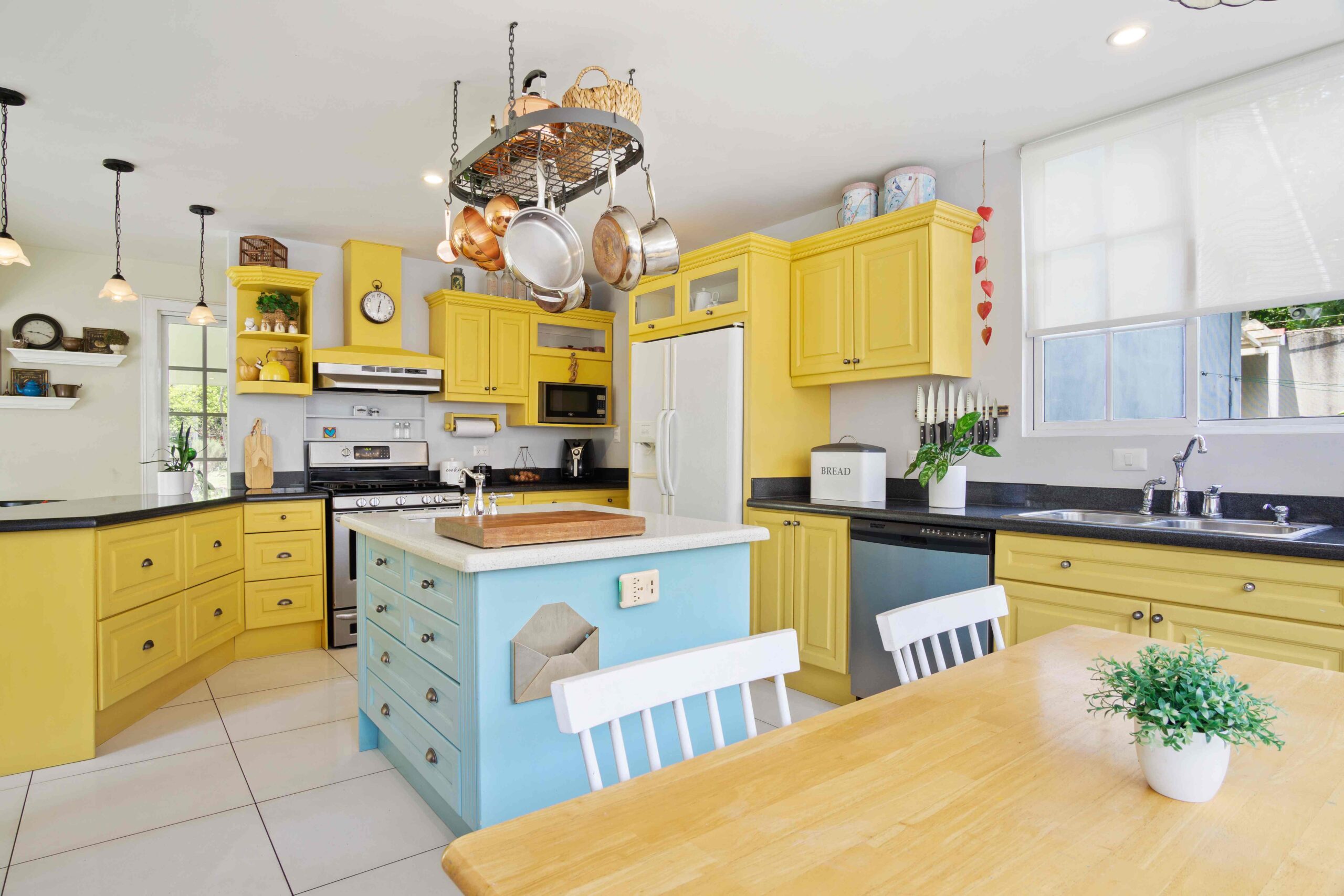
Kitchens have become a fundamental part of choosing a property. The modernization of this space has been increasing as it becomes a space to enjoy with family each year.


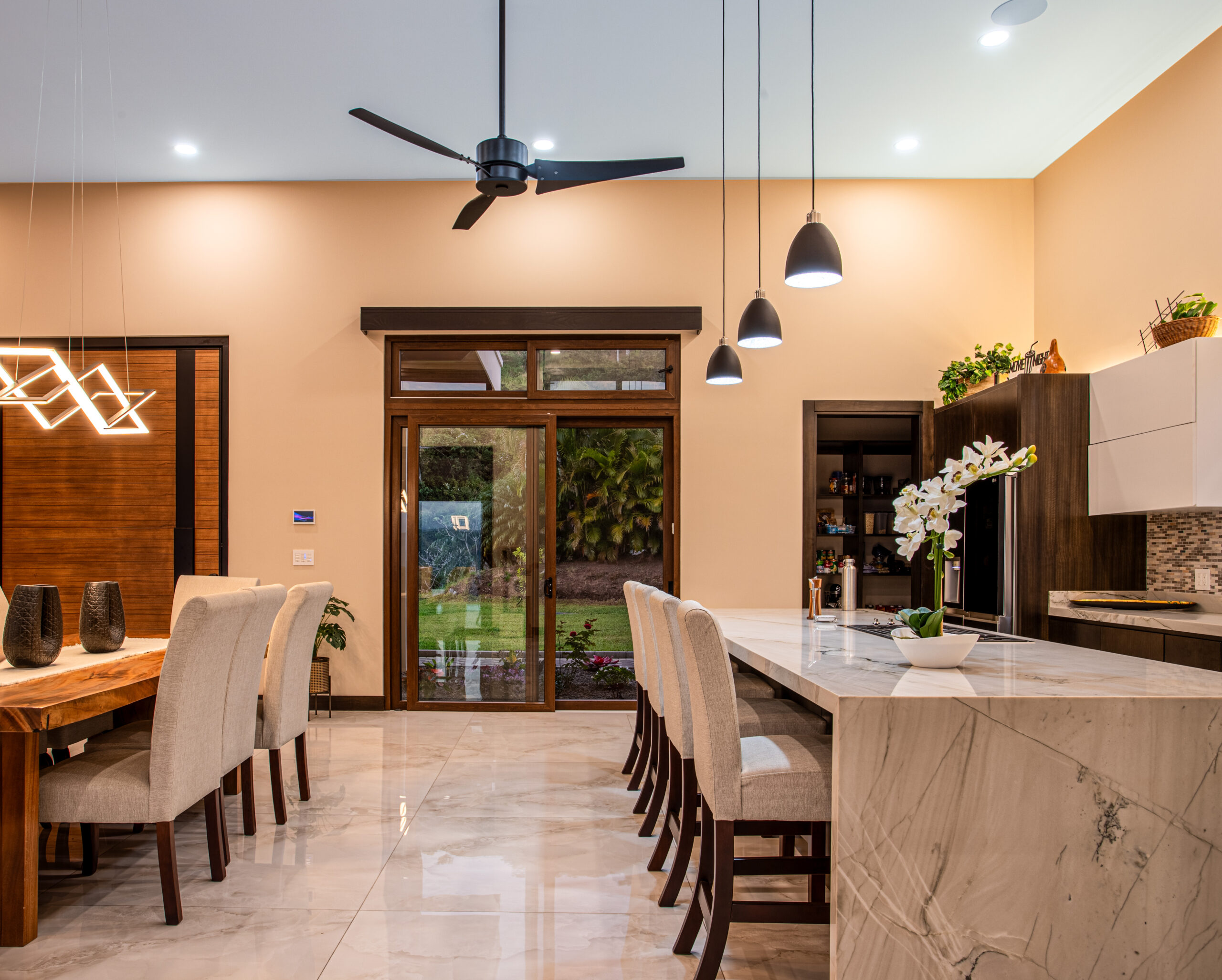
Kitchens are evolving into versatile spaces that blend style, ecology, and advanced technology to create cozy and functional environments. From warm, natural tones to recycled materials like terrazzo, each element is designed to enrich your culinary experience. Let’s talk about the trending styles this year:


Classic British Style:

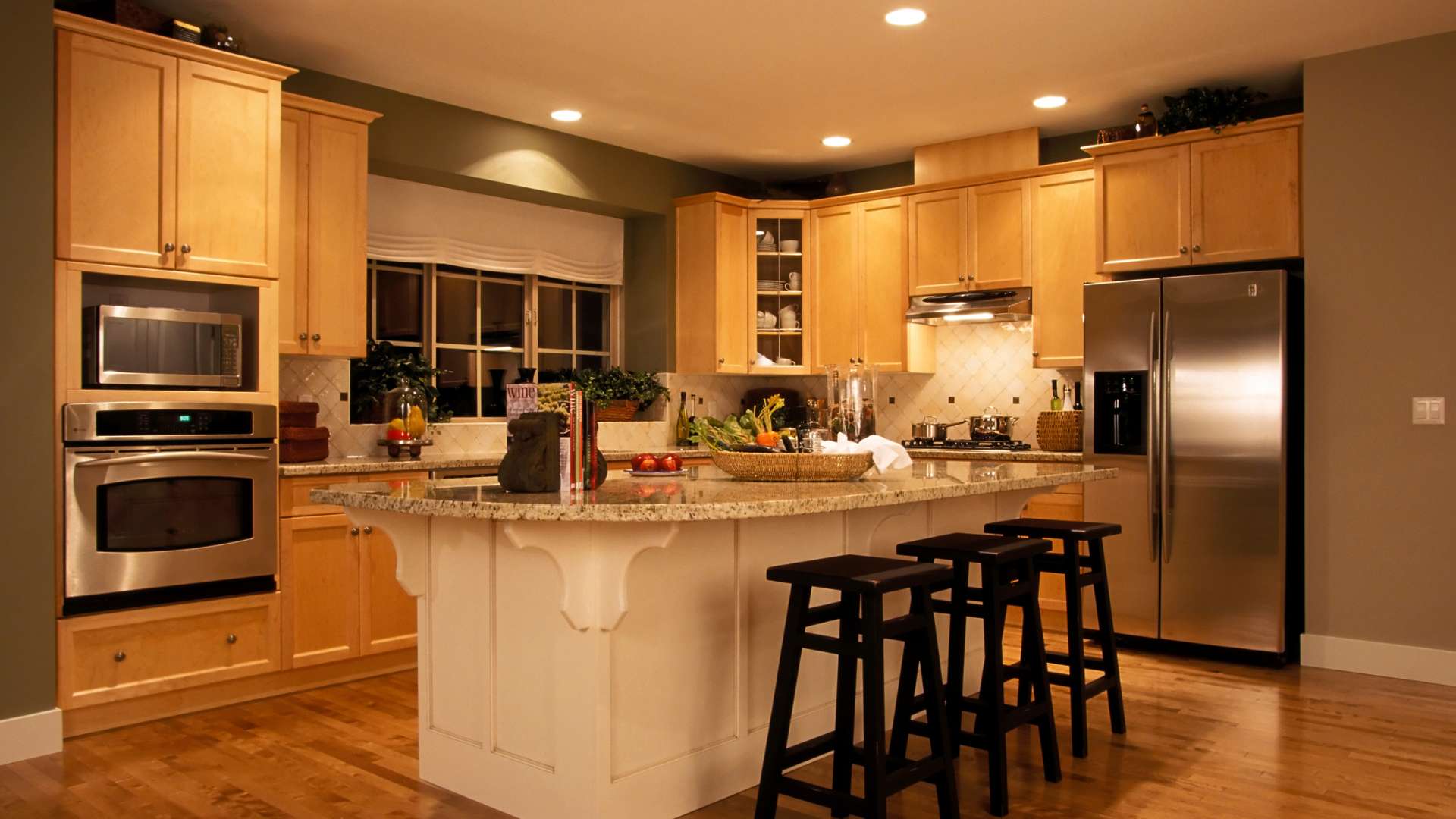
This style remains popular, especially in homes seeking a timeless and elegant aesthetic. Modern elements are being incorporated, such as integrated technology and innovative storage solutions, while maintaining the classic essence.

Features:

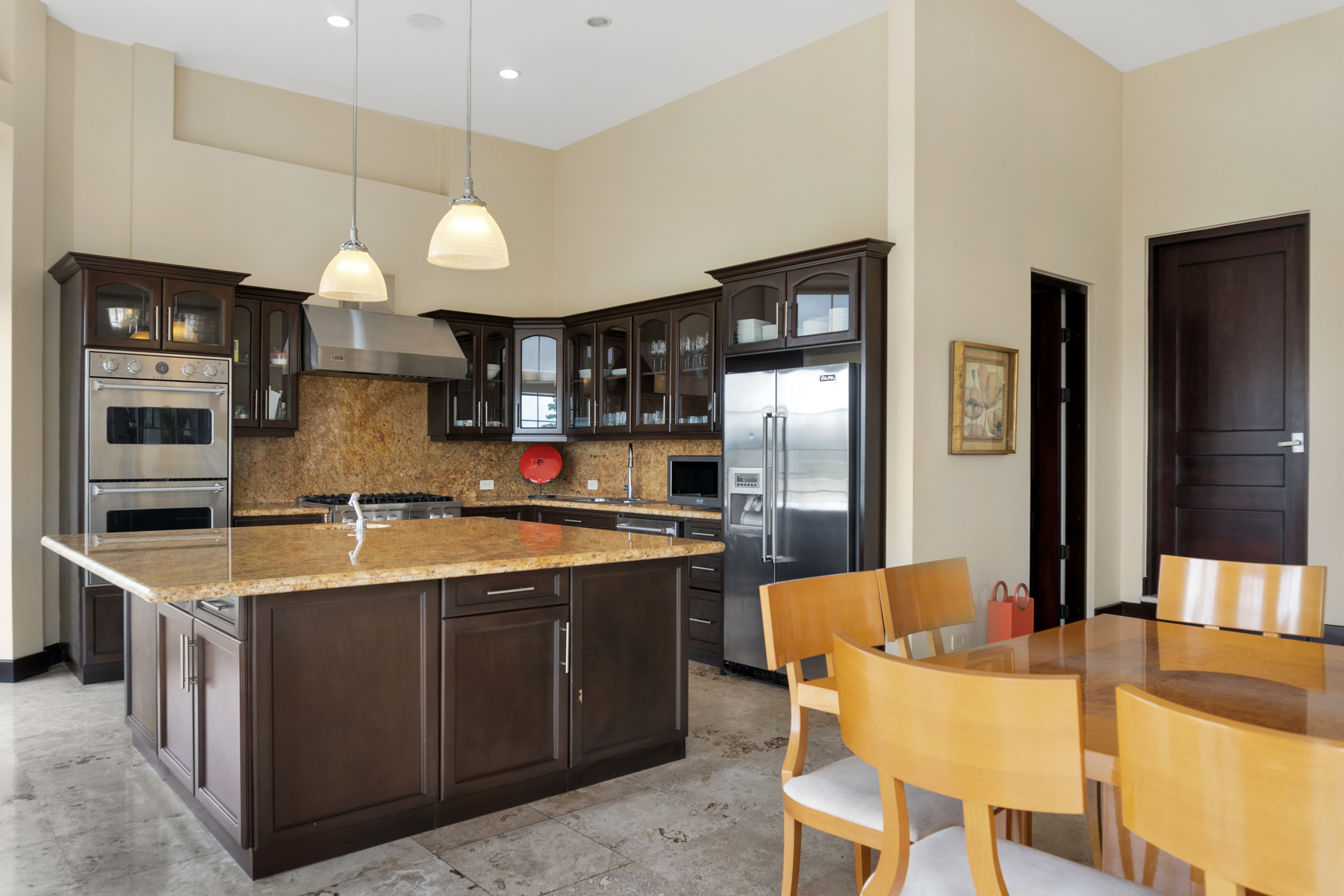
  • Use of traditional colors like sage green, navy blue, grays, and off-white. Painted wooden furniture in classic colors, glass display cabinets, and brass or copper details.
  • Marble, granite, or limestone countertops are common, adding a touch of luxury and durability. Solid wood is also used for a warmer, cozier look.
  • Mouldings and panels, porcelain sinks, open shelves, and a combination of built-in and freestanding furniture.
  • Traditional-style pendant lamps, hardwood floors in natural or painted tones, natural stone or ceramic tiles in classic patterns.

Scandinavian Style:

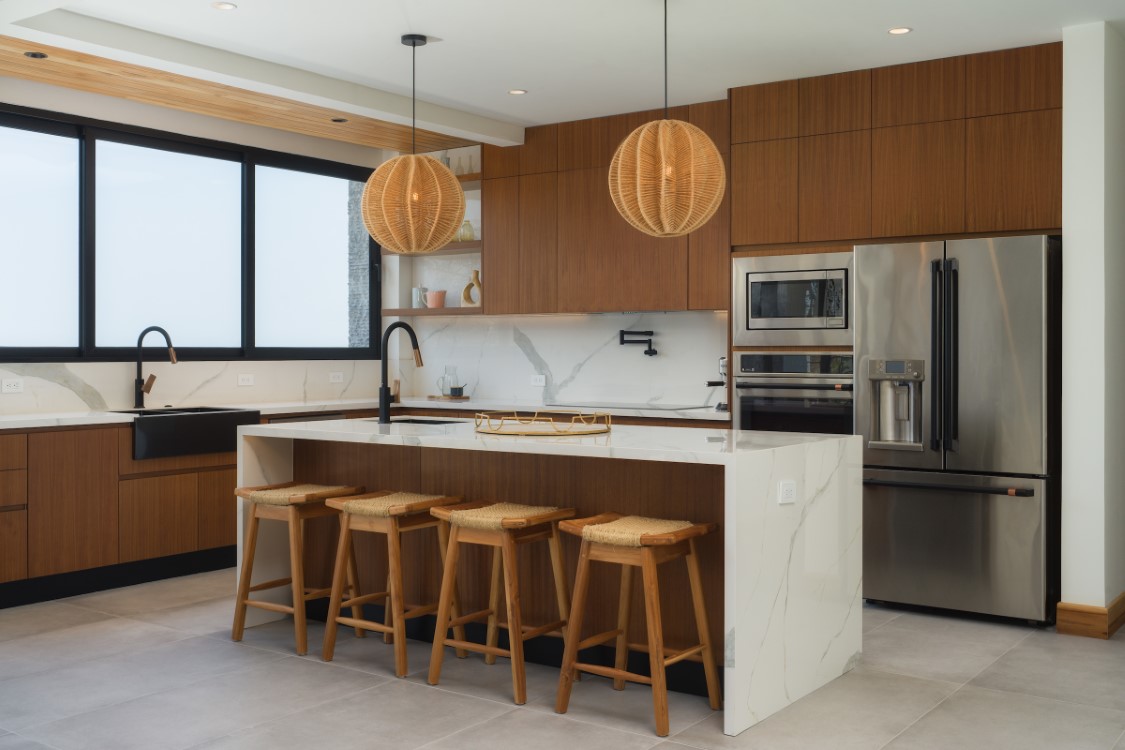
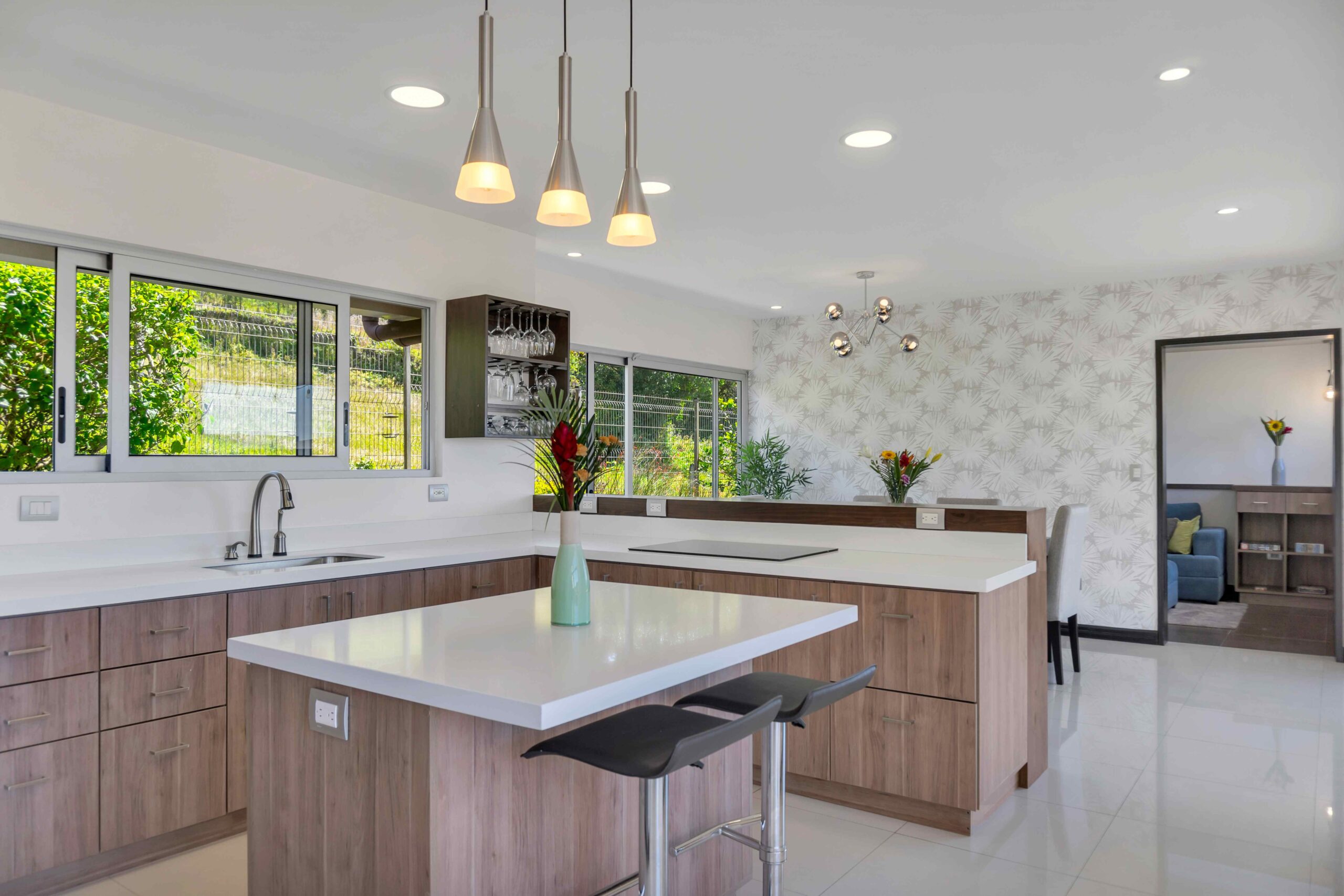
The minimalism and functionality of Scandinavian design continue to trend. There is a focus on sustainability, with eco-friendly materials and a design that maximizes natural light.

Features:

  • Light, soft colors such as white, gray, beige, and pastel tones.
  • Natural stone or marble countertops in neutral colors and stainless steel or metallic finishes on faucets and appliances for a modern touch.
  • Clean surfaces, simple lines, hidden storage, and a focus on functionality.
  • Simple design pendant lamps, often in materials like metal or wood, and light wood floors or ceramic tiles in neutral colors or simple patterns.
  • Decorative elements inspired by nature, such as potted plants in ceramic pots, wicker baskets, and wooden utensils.

Industrial Style:

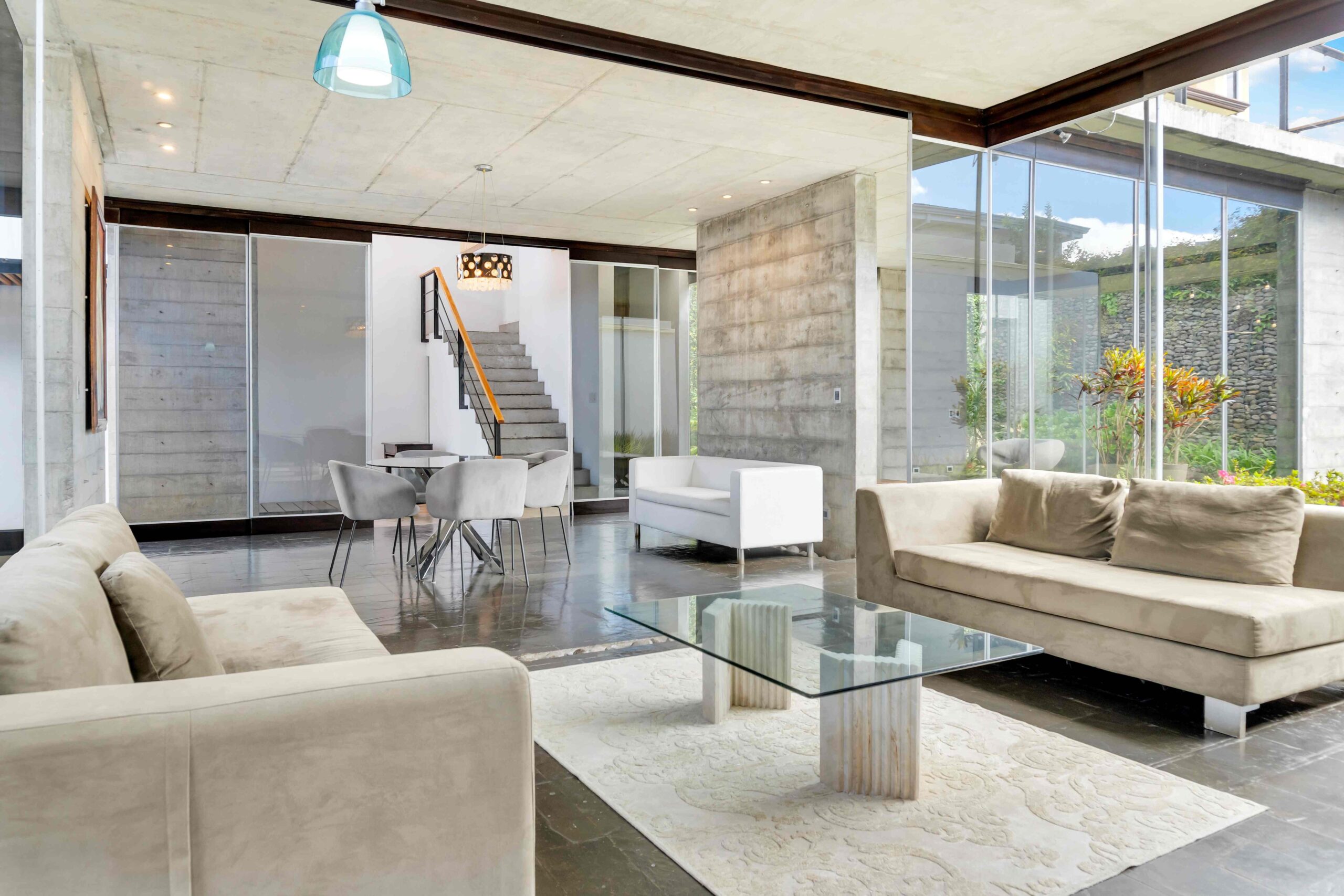
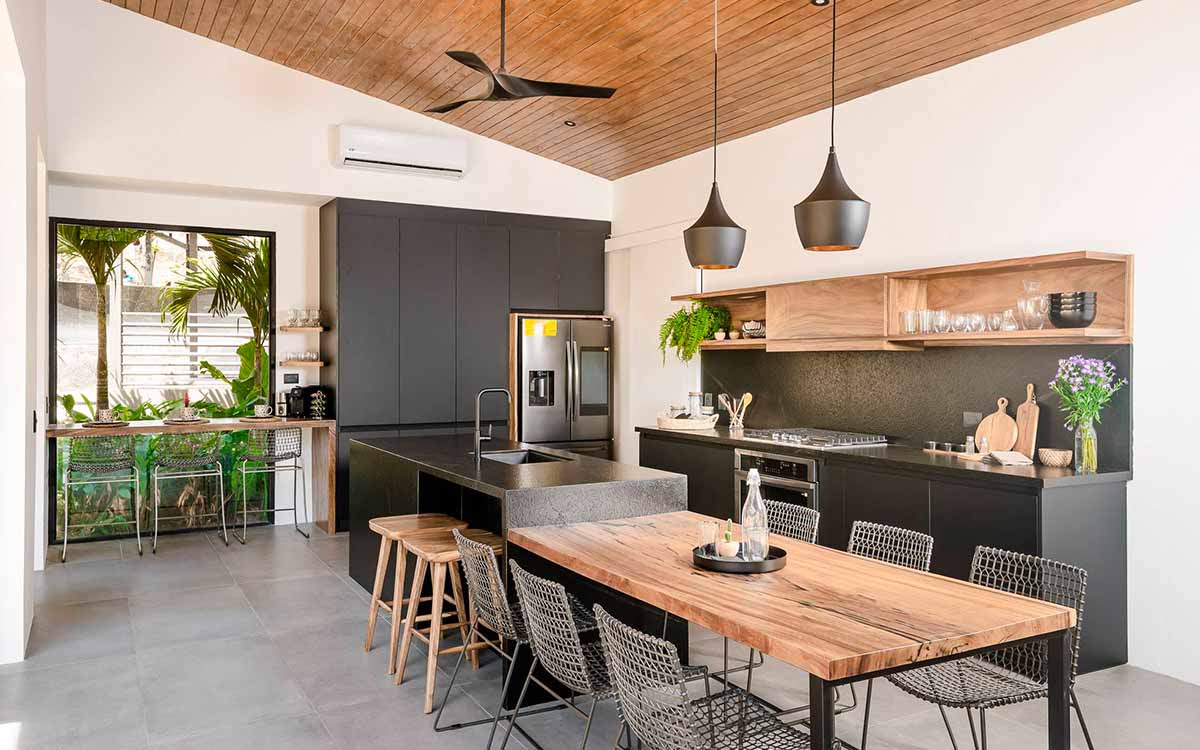
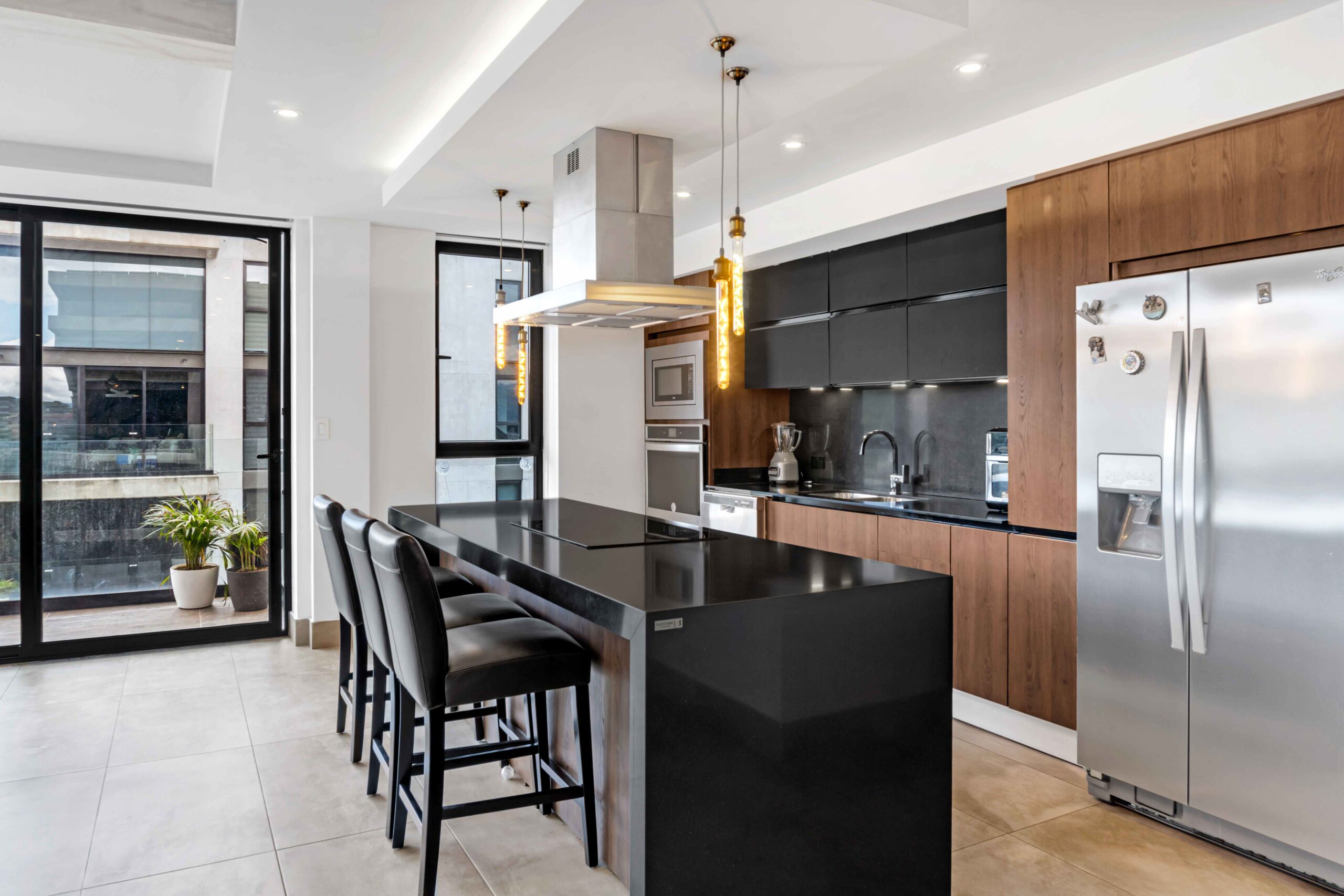
The industrial style remains popular, especially in urban environments. The combination of raw materials like metal and aged wood is being softened with touches of warm colors and cozy textures.

Features:

  • Use of materials like metal, aged wood, and exposed brick.
  • Colors such as gray, black, white, and metallic tones dominate the space. Warmer tones can also be incorporated to balance the environment.
  • Stainless steel appliances, open shelves, industrial-style pendant lamps.
  • Metal pendant lamps with finishes in bronze or copper and exposed bulbs.
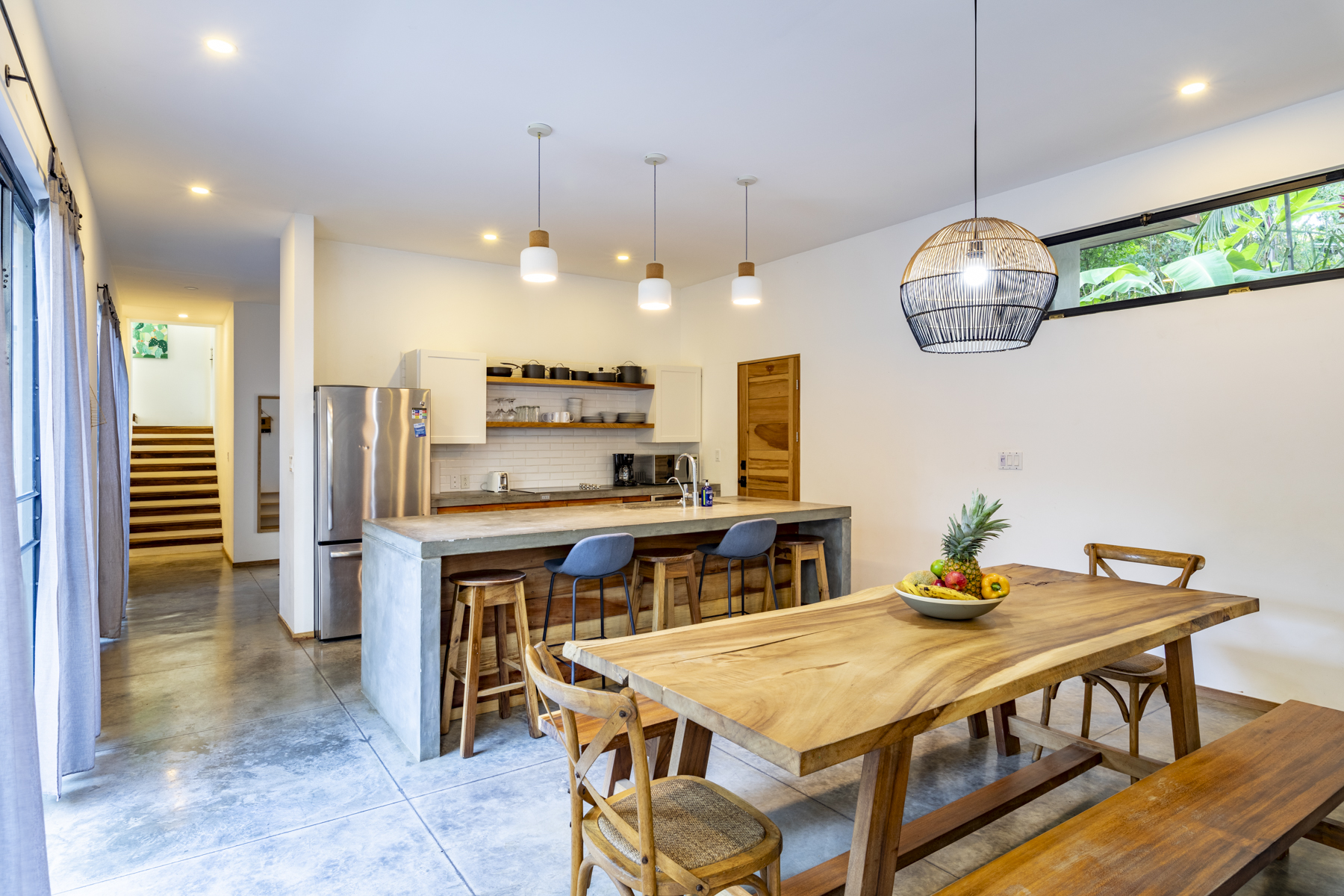
  • Polished concrete floors for a modern, durable look, or ceramic tiles with a worn appearance or aged wood to add texture and warmth.
  • Decorative elements like vintage clocks, wooden boxes, and stainless steel accessories that add a vintage touch.

Mediterranean Style:

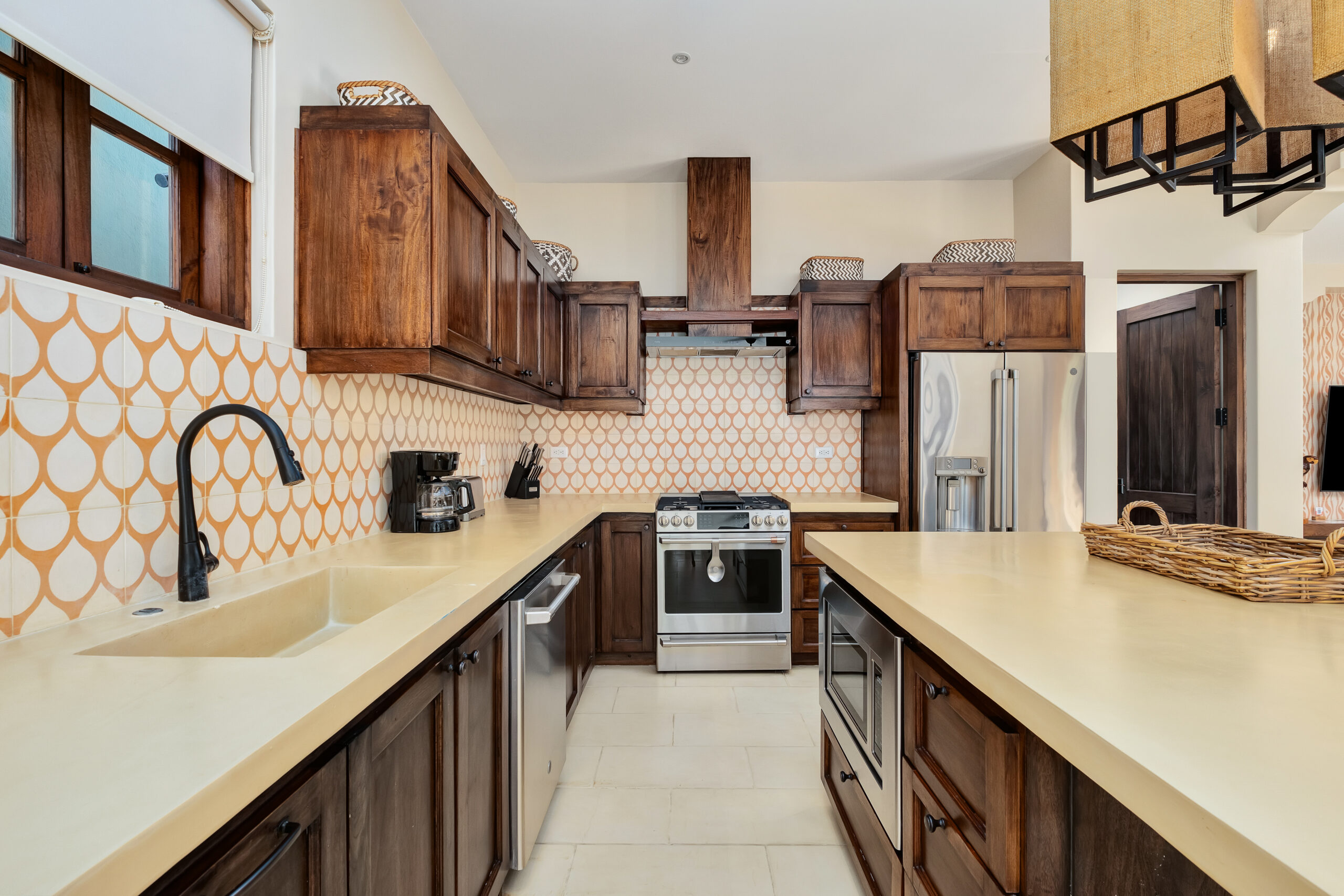
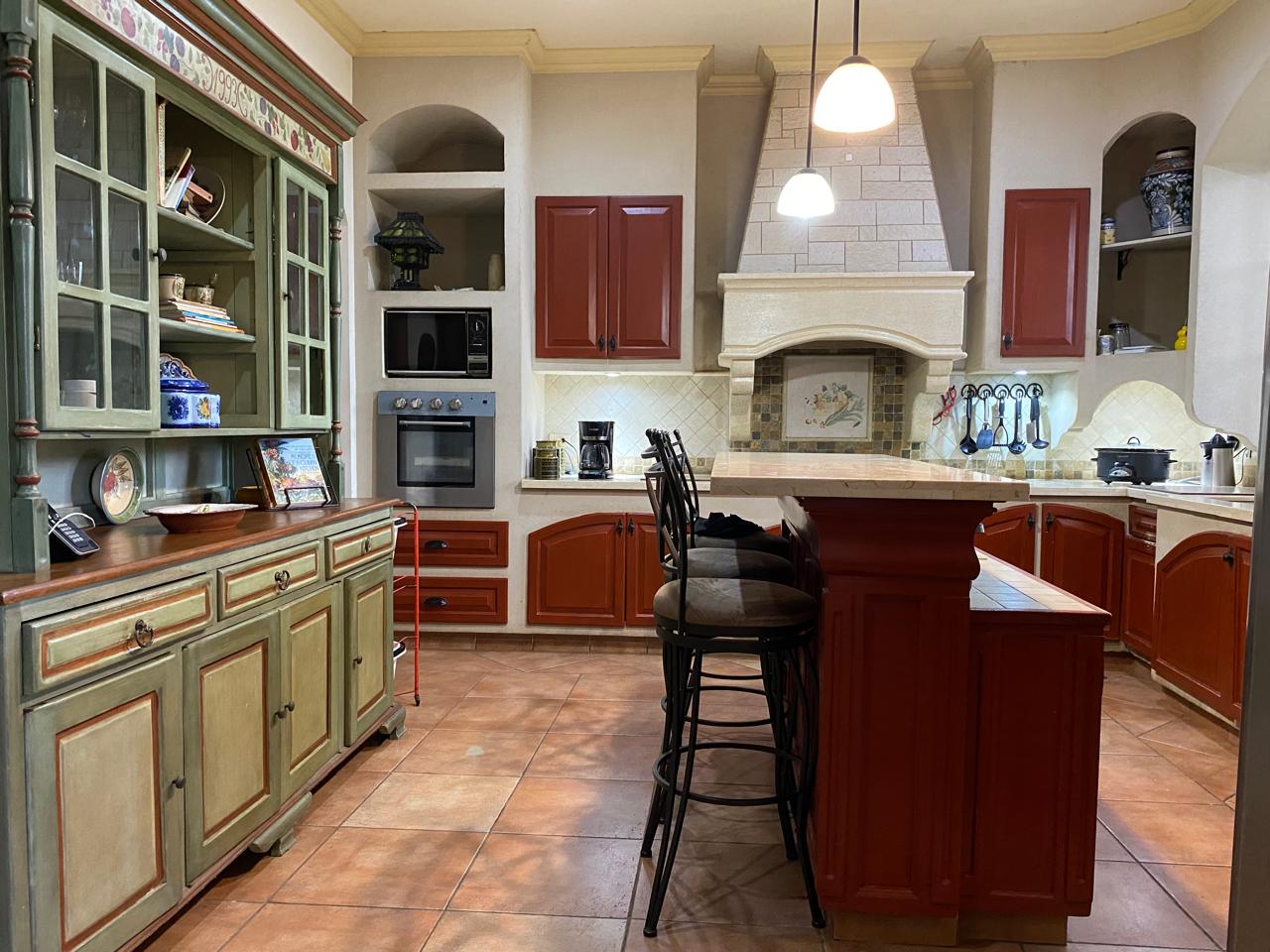
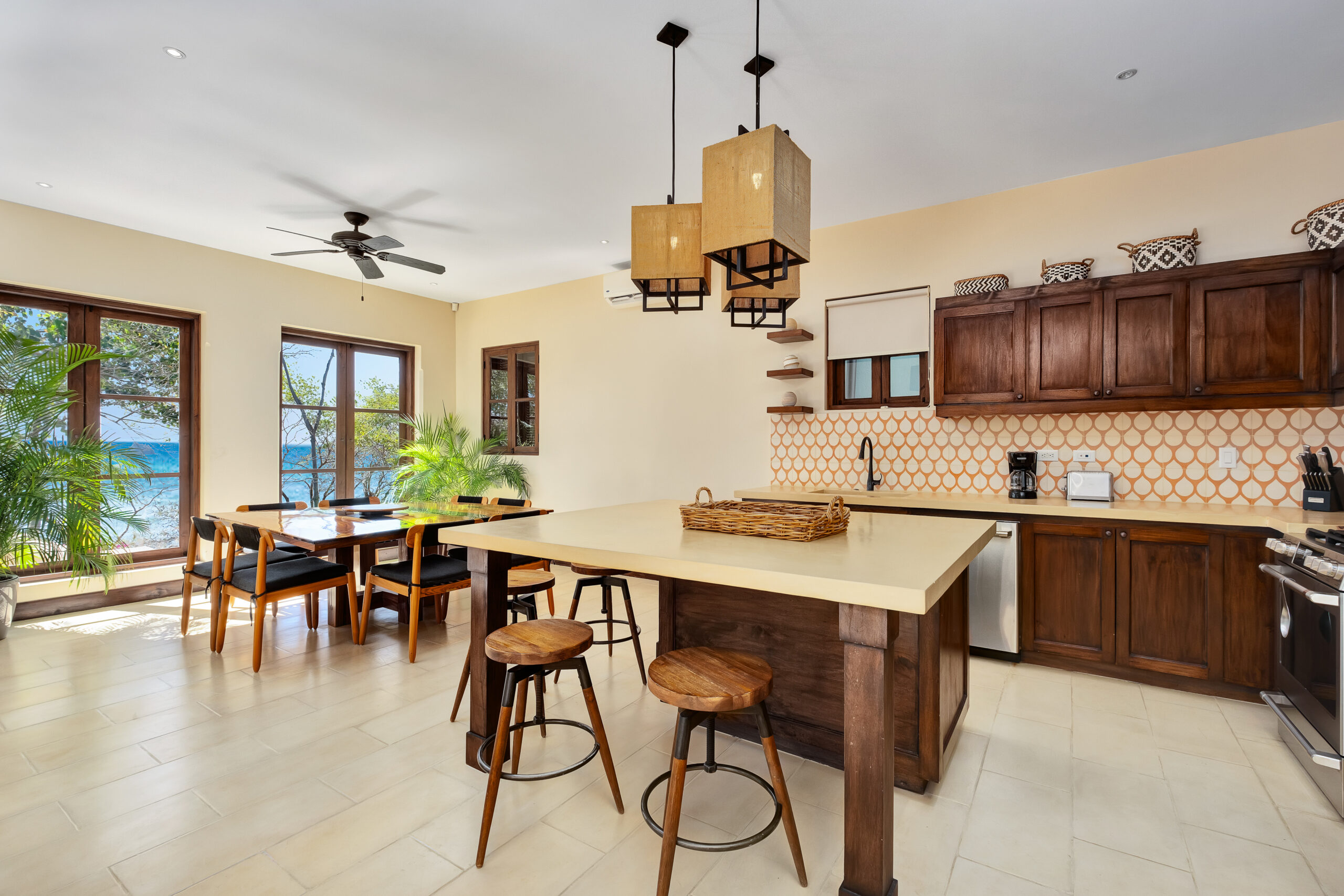
This style is gaining popularity, focusing on warmth and comfort. Vibrant colors and natural materials are used to create cozy, lively spaces.

Features:

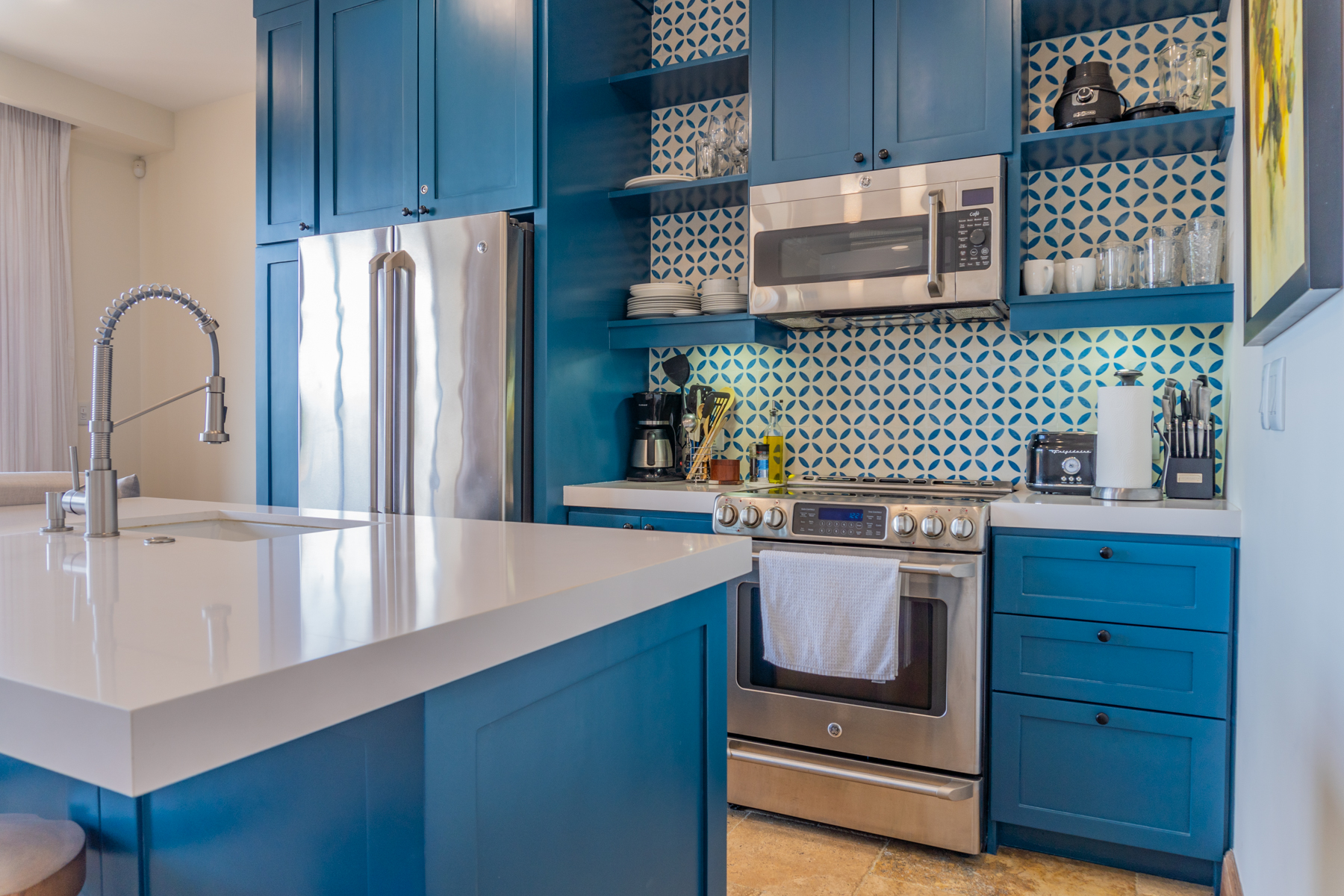
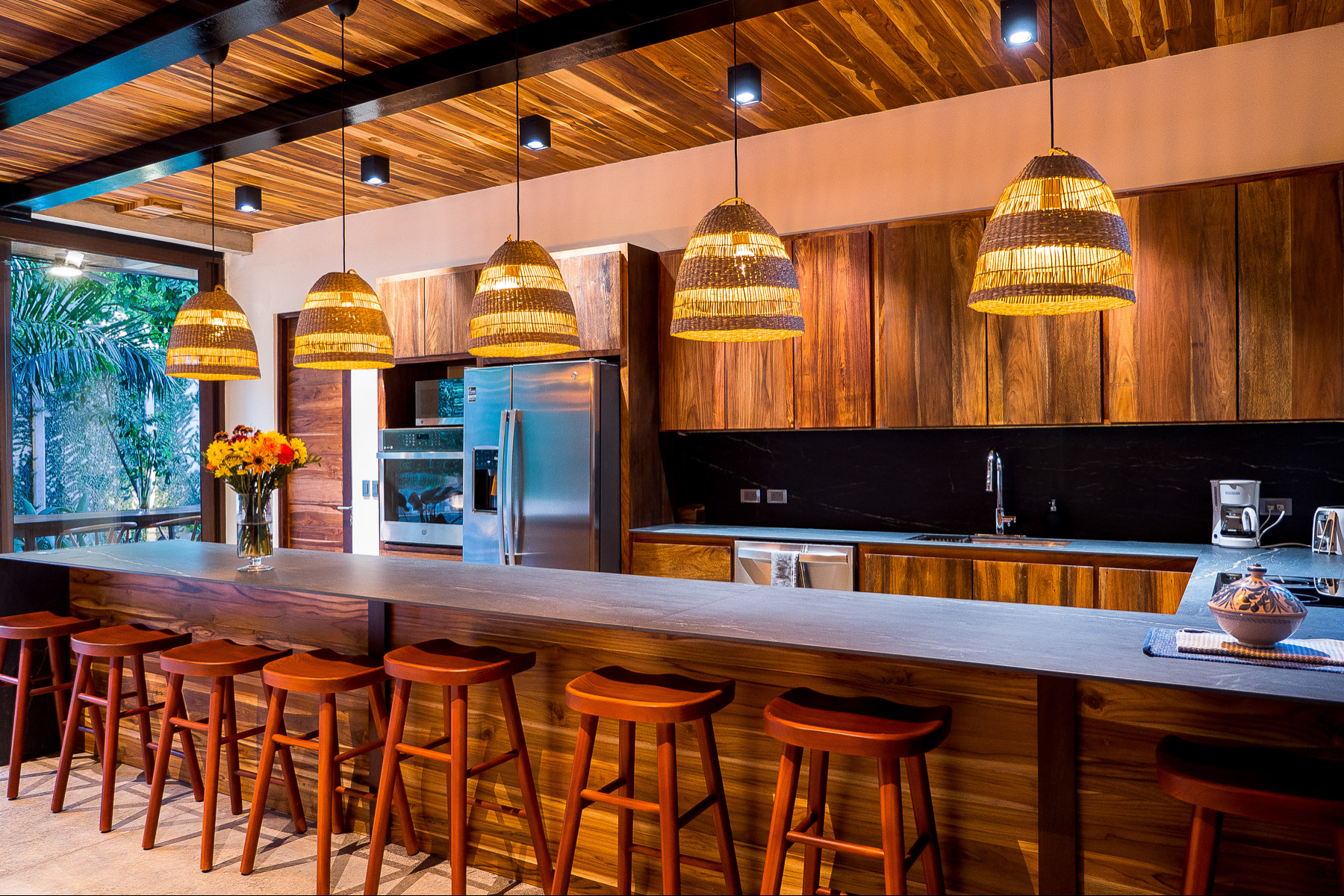
  • Warm, vibrant colors like terracotta, orange, yellow, and red, along with cooler tones like navy blue and olive green.
  • Ceramic or terracotta tiles with geometric or floral patterns, often in bright tones. Used on floors, backsplashes, and walls.
  • Wood cabinets and cupboards in natural tones or painted in vivid colors.
  • Ceramic countertops with decorative patterns for an authentic touch.
  • Ceilings with wooden beams, terracotta floors, natural stone countertops, and plenty of natural light.

Modern Rustic Style:

The combination of rustic and modern elements is on the rise, focusing on sustainability and the use of recycled or reclaimed materials. This style creates a balance between the old and the new.

Features:

  • Neutral colors like gray, beige, and white, along with warm tones that mimic natural wood finishes.
  • Stone or marble countertops and walls that provide a sense of durability and elegance.
  • Contemporary design pendant lamps, often in metal or glass, to add a stylish touch, and aged wood or ceramic tile floors in neutral tones.
  • Integrated appliances in the kitchen design to maintain a clean, modern aesthetic.

Discover more properties with modern kitchens in various styles:

Casa Los Monos

Boutique Beach Haven Santa Teresa

Turnkey Palatial Haven

Zurqui in the Clouds

Golfside Penthouse

Asombrosa Casa Estilo Americano en Propiedad Familiar

Connected Homes with a Click

Technology is revolutionizing the way we interact with our homes. Imagine being able to control all the lights, curtains, or music in your house with simple voice commands through a device. Everything is designed to adapt to your needs at any moment, from settings that help you focus or relax to automatic schedules that mimic natural light patterns, enhancing well-being and productivity at home.

Beyond smart lighting, modern homes are embracing a range of connected devices. Smart thermostats learn your preferences and adjust the temperature automatically, security cameras can be monitored from your phone, and voice-controlled appliances streamline daily tasks, making home life more convenient and efficient.

Herbert Bansbach, LATAM Brand Manager at Control4, highlights current trends in smart homes:


“First and foremost, not just in Costa Rica but across the region, the primary focus is on comfort. Automation offers incredible freedom and enhances the overall experience. In Costa Rica, the highest trend is lighting control—people really enjoy the ability to create automatic lighting scenes. Entertainment is also gaining significant popularity, especially in the Guanacaste area. Just as we once saw cars with automatic windows become standard, smart homes are now following the same trend. The demand for homes with automation is growing, and having a home equipped with these features is definitely a plus.”


Advantages of Home Technology:

Convenience: Provides a higher level of comfort and convenience by enabling remote control from anywhere via mobile apps.

Energy Savings: Smart devices are designed to optimize energy use, adjusting temperature based on room occupancy or turning off lights automatically when no one is home.

Customization: With the ability to set individual profiles and preferences, home technology can adapt to the specific needs of each household member, creating personalized environments.

Advanced Security: Intelligent security systems, such as network-connected surveillance cameras and automated locks, offer real-time monitoring and immediate notifications of suspicious activity, providing greater peace of mind and protection for residents.

Enhanced Accessibility: Home technology can ease daily activities for individuals with disabilities or reduced mobility, allowing them to manage various aspects of their home environment more easily and independently.

Discover a Variety of Properties That Implement Technology and Increase Their Value

Das Haus

Self Sustainable White Villa

Villa Crocó

Modern Lux

Green and Vital: The Benefits of Living Near Nature

In the hustle and bustle of our lives, it’s easy to overlook a constant presence that is often taken for granted: the nature that surrounds us. It is crucial to reflect on the fundamental role nature plays in our lives and the well-being of the planet as a whole. As humanity advances, are we losing sight of the essential importance of nature? Today, we discuss the benefits of living close to it:


Reduced Cortisol Levels:

Nature has a calming effect and can lower cortisol levels, the stress hormone in the body. Simply being outdoors, surrounded by trees, plants, and fresh air can help you relax and rejuvenate.


Increased Physical Activity:

Living near nature can encourage a more active lifestyle. Walking, hiking, biking, or simply enjoying outdoor activities are more accessible when you live close to natural areas.


Enhanced Creativity and Focus:

The tranquility and beauty of nature can inspire new thoughts and perspectives, boosting creativity and concentration.


Improved Health:

Studies have shown that living near green spaces is associated with a lower risk of cardiovascular and respiratory diseases, and it strengthens the immune system through increased vitamin D production or exposure to benign microorganisms present in the soil and air.


Promotion of Sustainable Habits:

Living near nature can inspire a more sustainable lifestyle, as people tend to become more conscious of their environmental impact and may adopt positive practices toward it.


Explore properties surrounded by nature.


Built in Nature San Ramón

Grecia Peaceful Home

Natural Escape Fila de Cal

Zurqui in the Clouds

Central Atenas Marble

SEARCH PROPERTY

LISTING TYPE
Properties for sale
PRICE
Any
-
PROPERTY TYPE
Any
LIFESTYLES
Any
BEDROOMS
Any
BATHROOMS
Any
INTERIOR
Any
-
EXTERIOR
Any
-